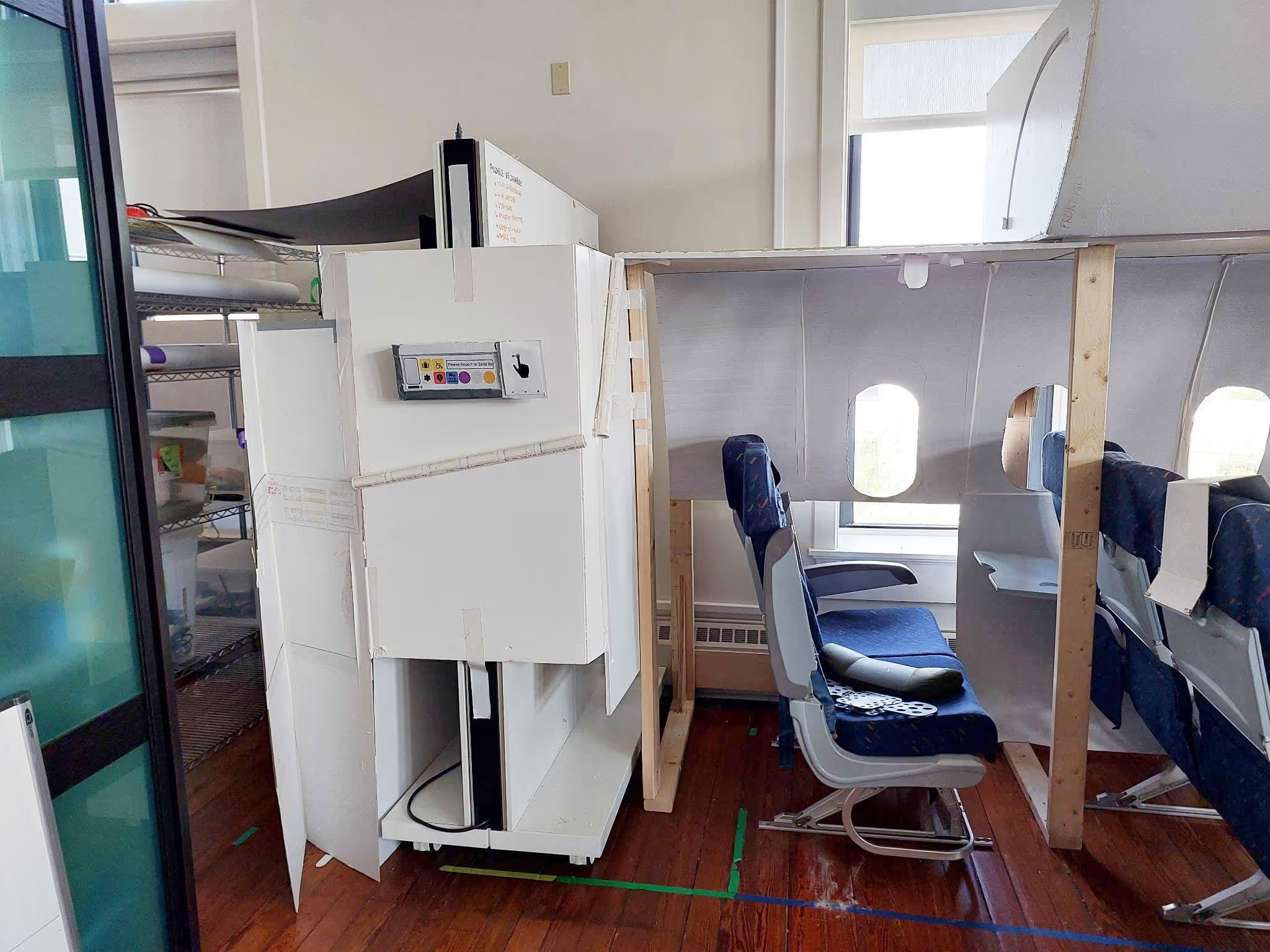
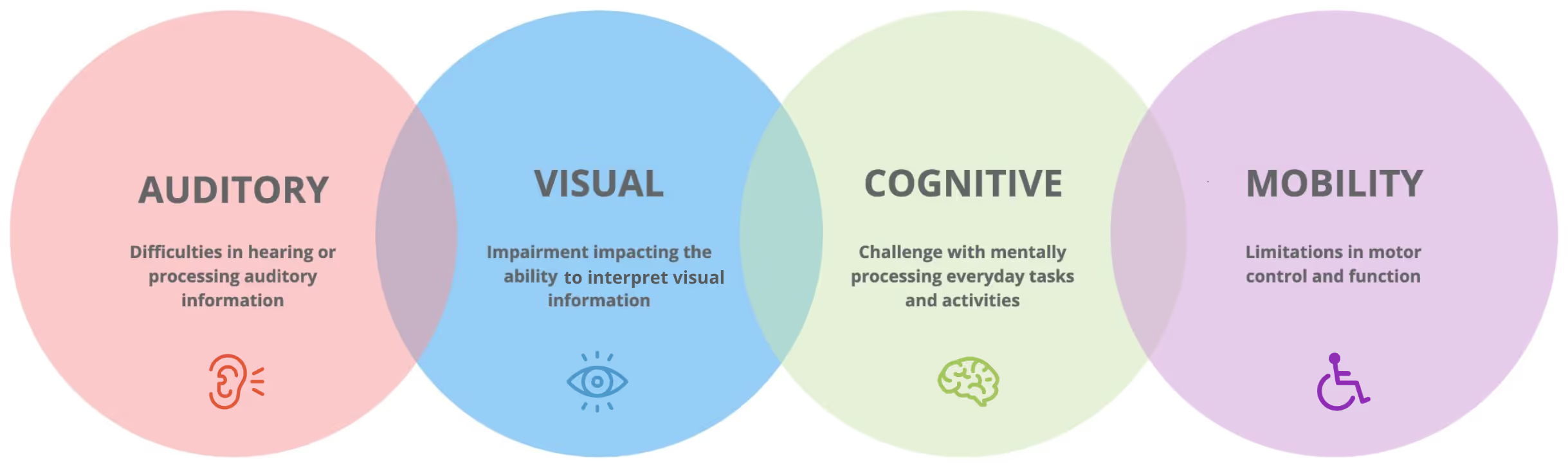
Passengers with challenges—visual, auditory, cognitive or mobile—may face issues with navigation and wayfinding. Leveraging past research and expertise for a more inclusive journey, the collaboration between LiveWell and Boeing allowed the students to dive deeper into pain points to simplify and demonstrate new ways to address these needs.

Navigating the aircraft in flight can be challenging for anyone. When a passenger is faced with an additional challenge to overcome in the form of a disability, it can become outright overwhelming.

By utilizing human centered design, the team was able to define three major facets of solving the problem: Communication, Education, and Empowerment.

This project resulted in six new concepts designed to enhance mobility, provide visual and auditory aids for navigating the airplane, and allow for greater passenger comfort.
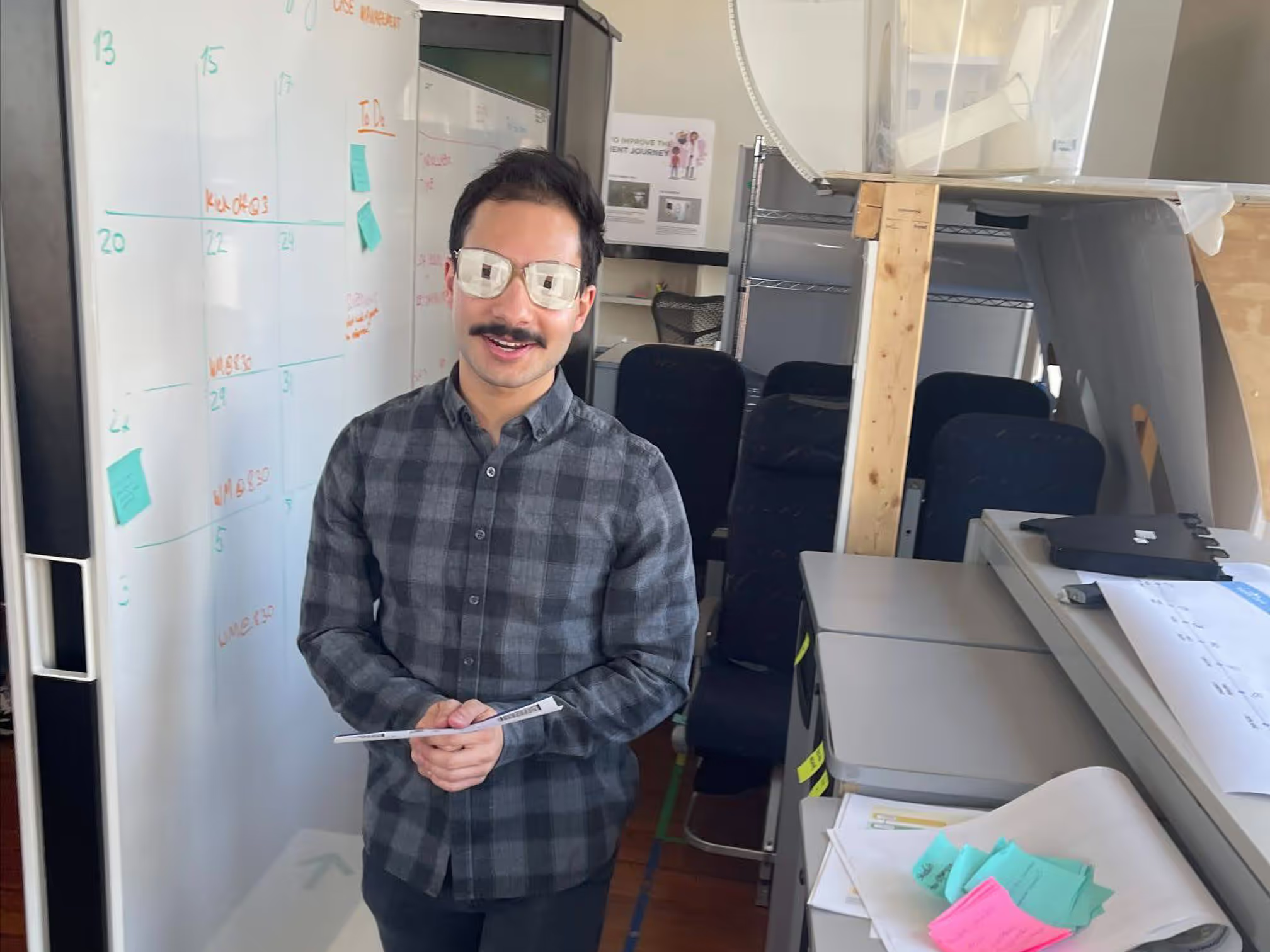
In particular, wayfinding was identified as a high impact opportunity to explore. In order to understand how chronic challenges interact with perennial wayfinding and movement challenges in the cabin, our team gathered information directly from lived experience passengers.

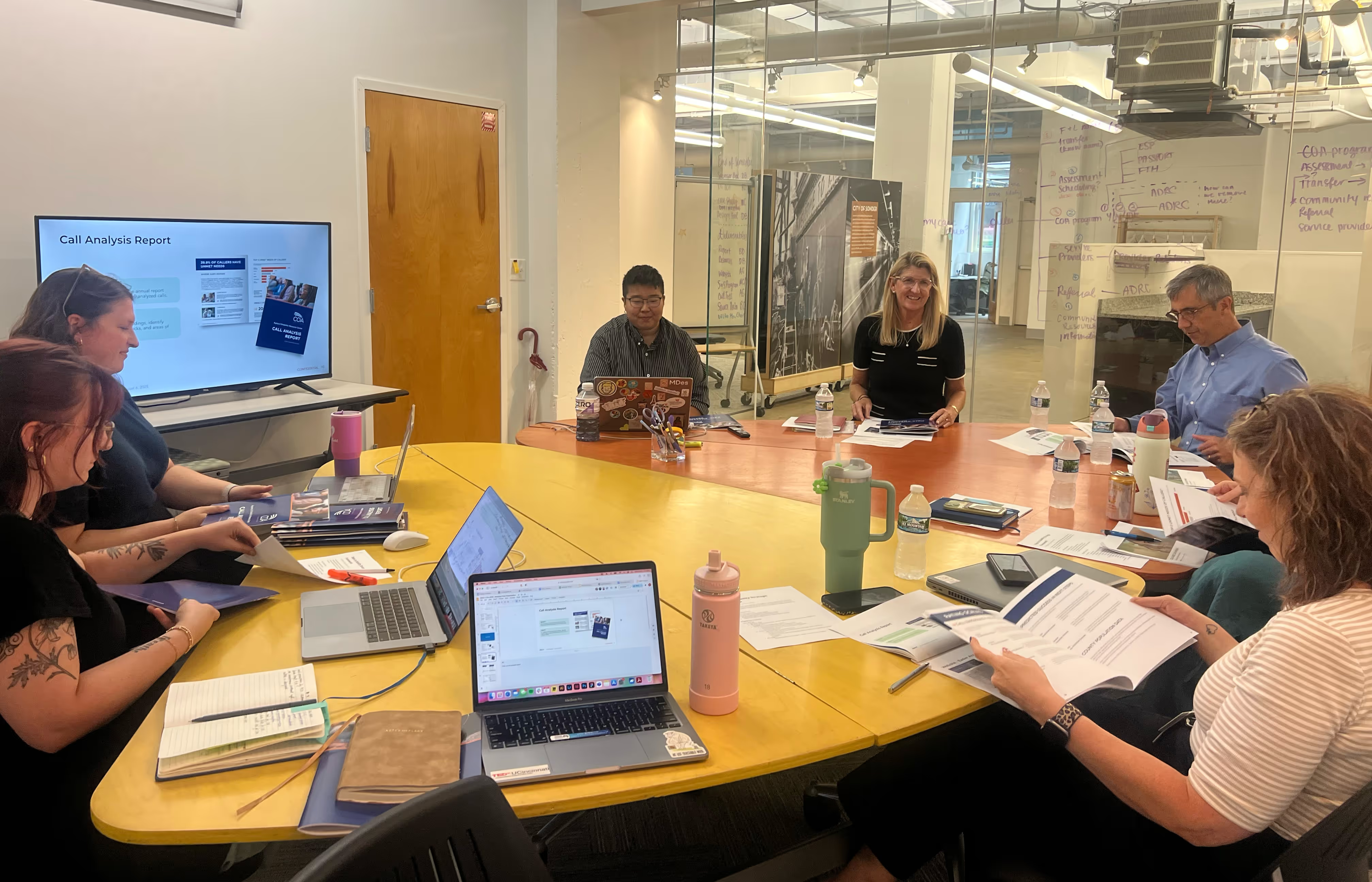
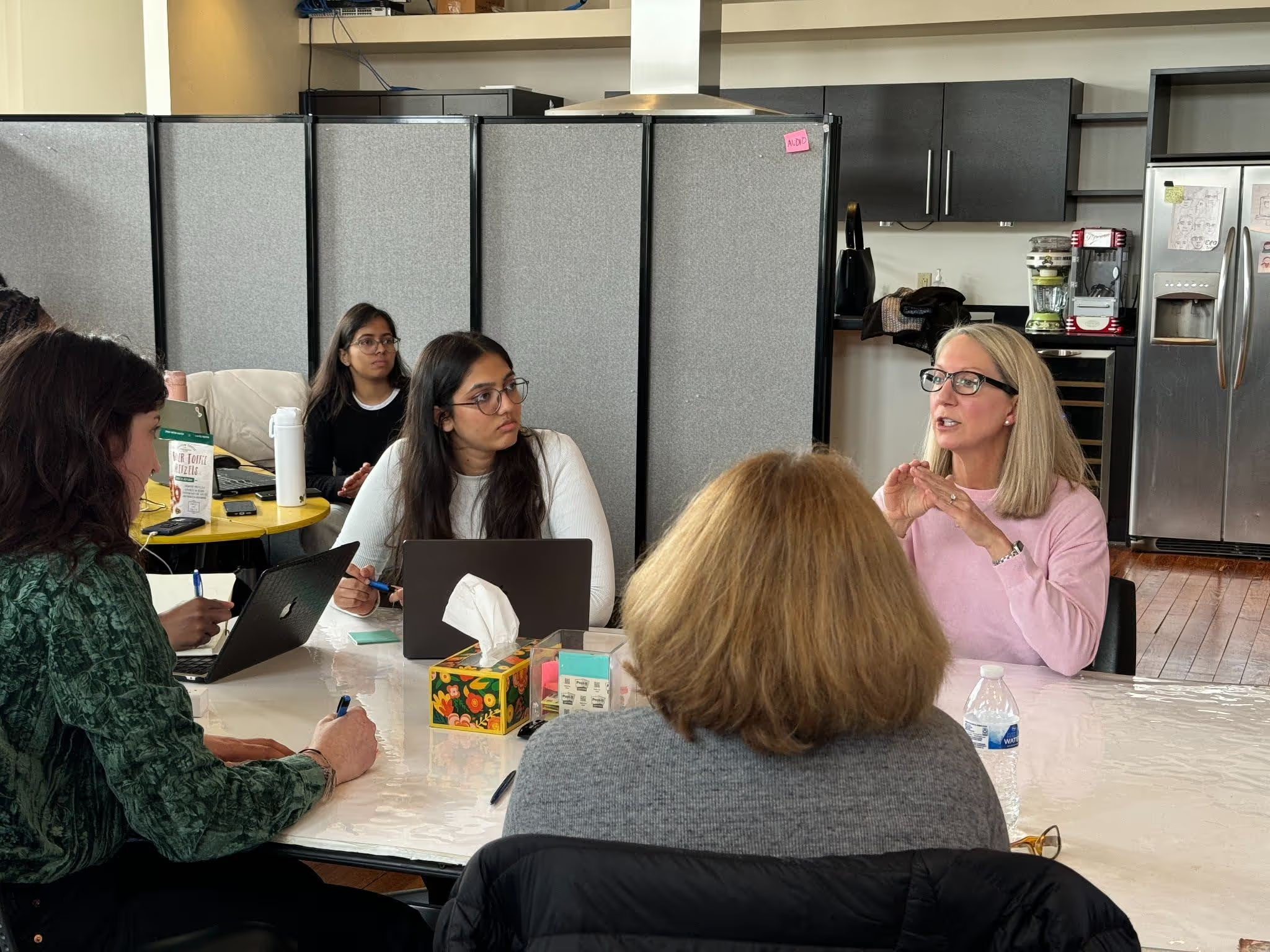
The team engaged in a literature review to understand policy and current navigational challenges, including trend research to understand emerging technologies and passenger behaviors and expectations.Additionally, the team interviewed flight attendants to get a picture of how they're already assisting passengers facing challenges, and what tools they could use to better serve their needs.
The Live Well Team tested concepts with flight attendants and wheelchair users. Their feedback allowed for clear direction for continued concept iteration and refinement.
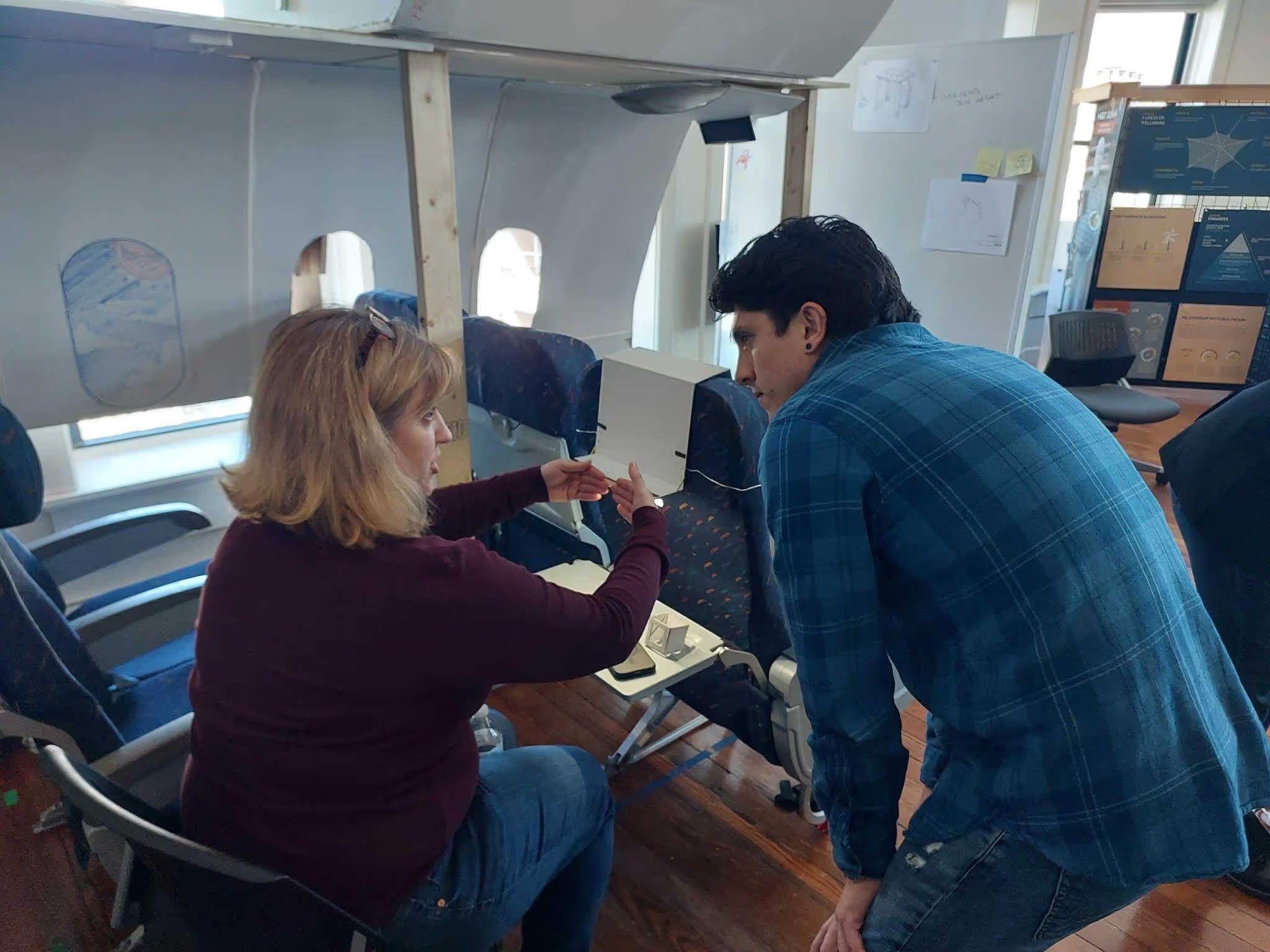
The finalized concepts provided areas of opportunity to address improvements to wayfinding that improves the experience for all.