
The 1-2-3 initiative started at Cincinnati Children’s Hospital with the goal of increasing patient adherence to activities of daily living (ADLs) that are proven to reduce infection rates in pediatric cancer patients. If patients bathe once per day, exercise twice per day, and practice oral care three times per day, it has been shown to have a significant positive impact on their inpatient stay. The Live Well team partnered with the Cancer and Blood Diseases Institute to help further improve adherence to and tracking of ADLs.

The Cancer and Blood Diseases Institute (CBDI) audited their sticker chart tracking system. While it brought adherence from 25% to 66%, it was inefficient, required extensive upkeep, and was often forgotten about.

Developed a gamified, incentive-driven solution to remind and encourage patients and their families to practice healthy habits, while being low maintenance for the hospital staff.

Increased patients' sense of autonomy and pride by empowering them to take charge of positive habit-making, and decreased workload on hospital staff, allowing for less rushed patient interactions.
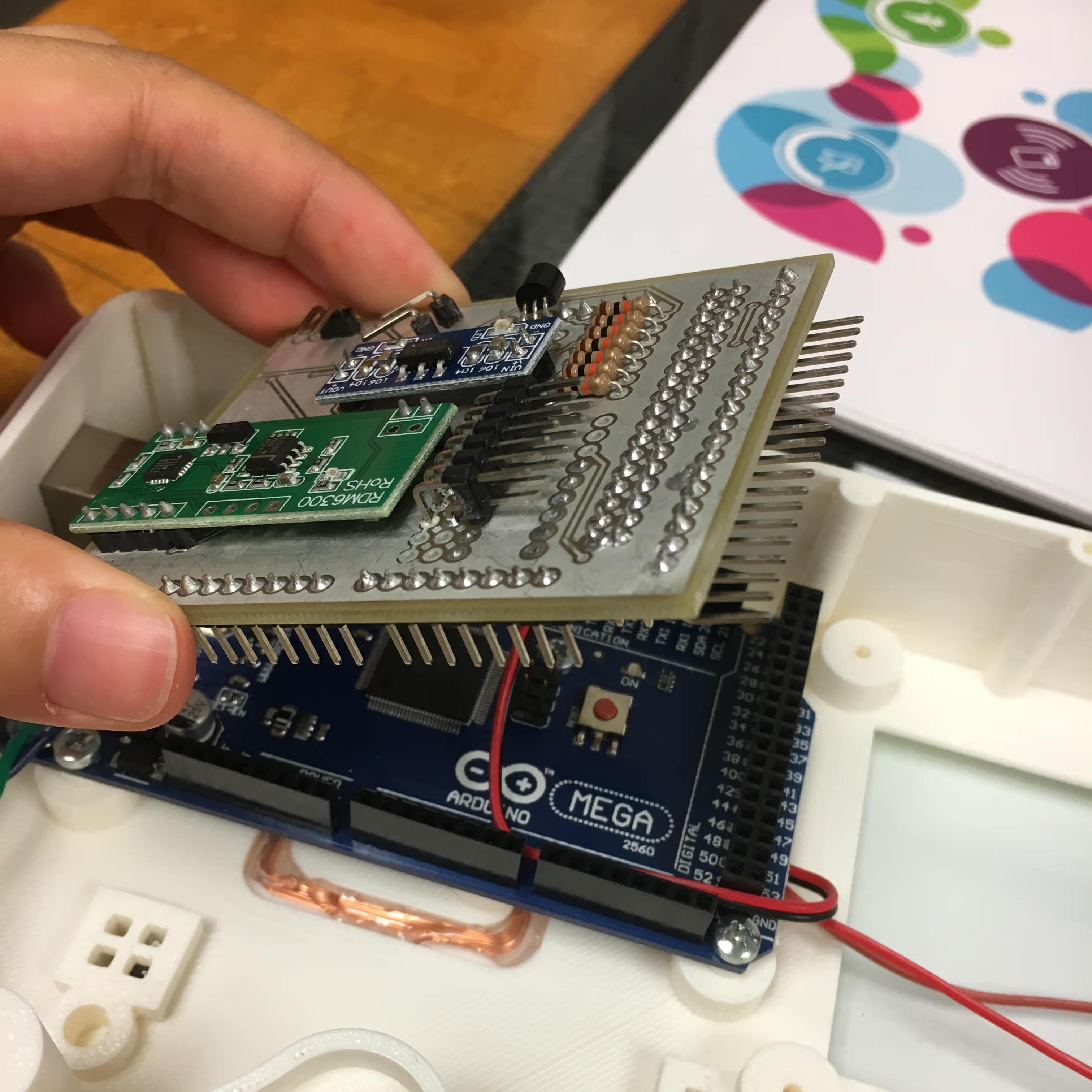
Nurses at Cincinnati Children's had already created a sticker system to help encourage their patients to brush teeth, bathe, and exercise daily. However, this system took too much time to keep updated, and was easily forgotten. This highlighted the lapse in communication between staff and patients to report habit tracking, and led to missed data and disappointed kids.
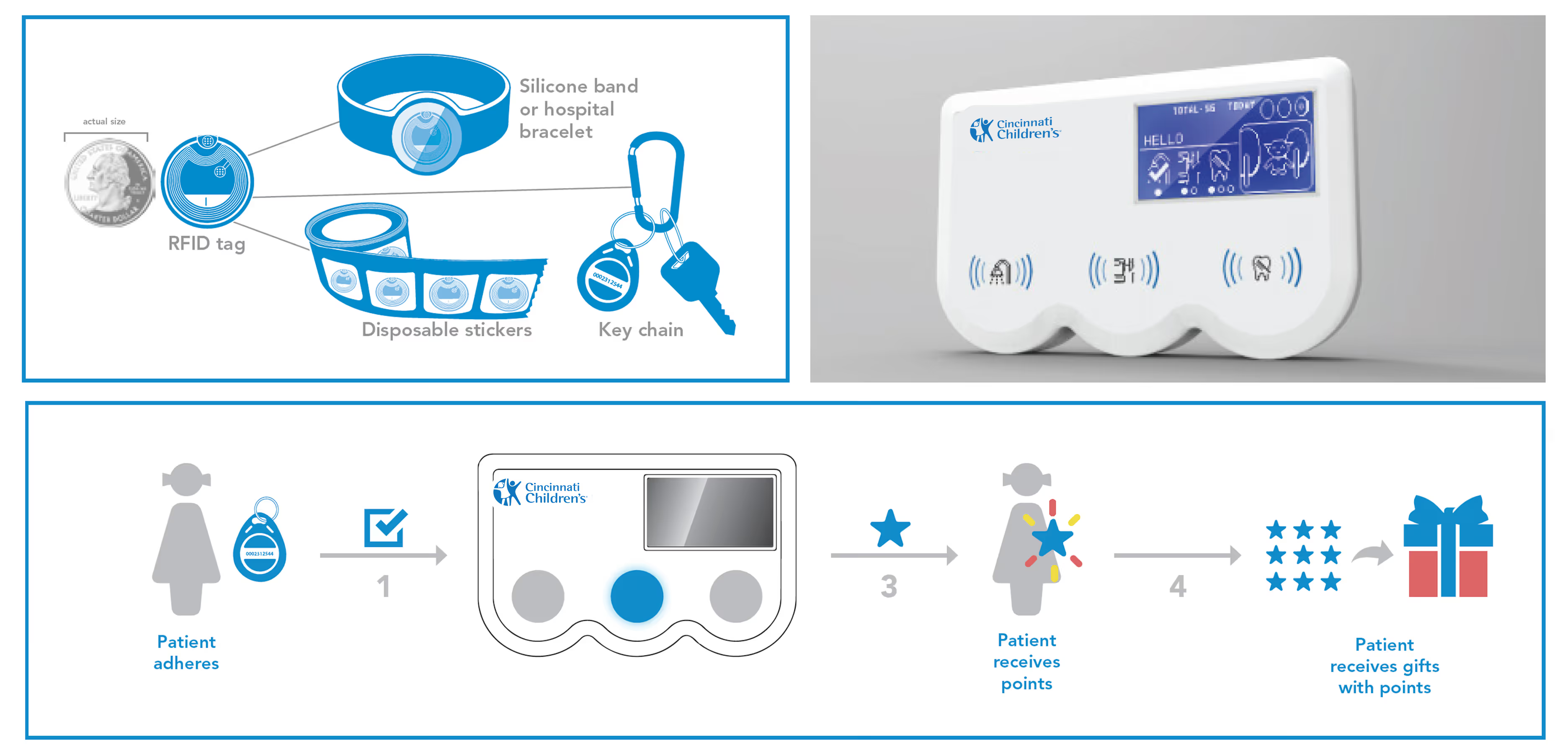

The sticker charts developed by the clinical care staff had increased habit adherence from 25% to 66%. Our team set out to continue that momentum. With an automated system, administrative requirements of the ADL 1-2-3 program could be minimized, data could be easily logged and seamlessly archived for future learnings, feedback delays could be shortened, and paper items could be replaced with digital points.
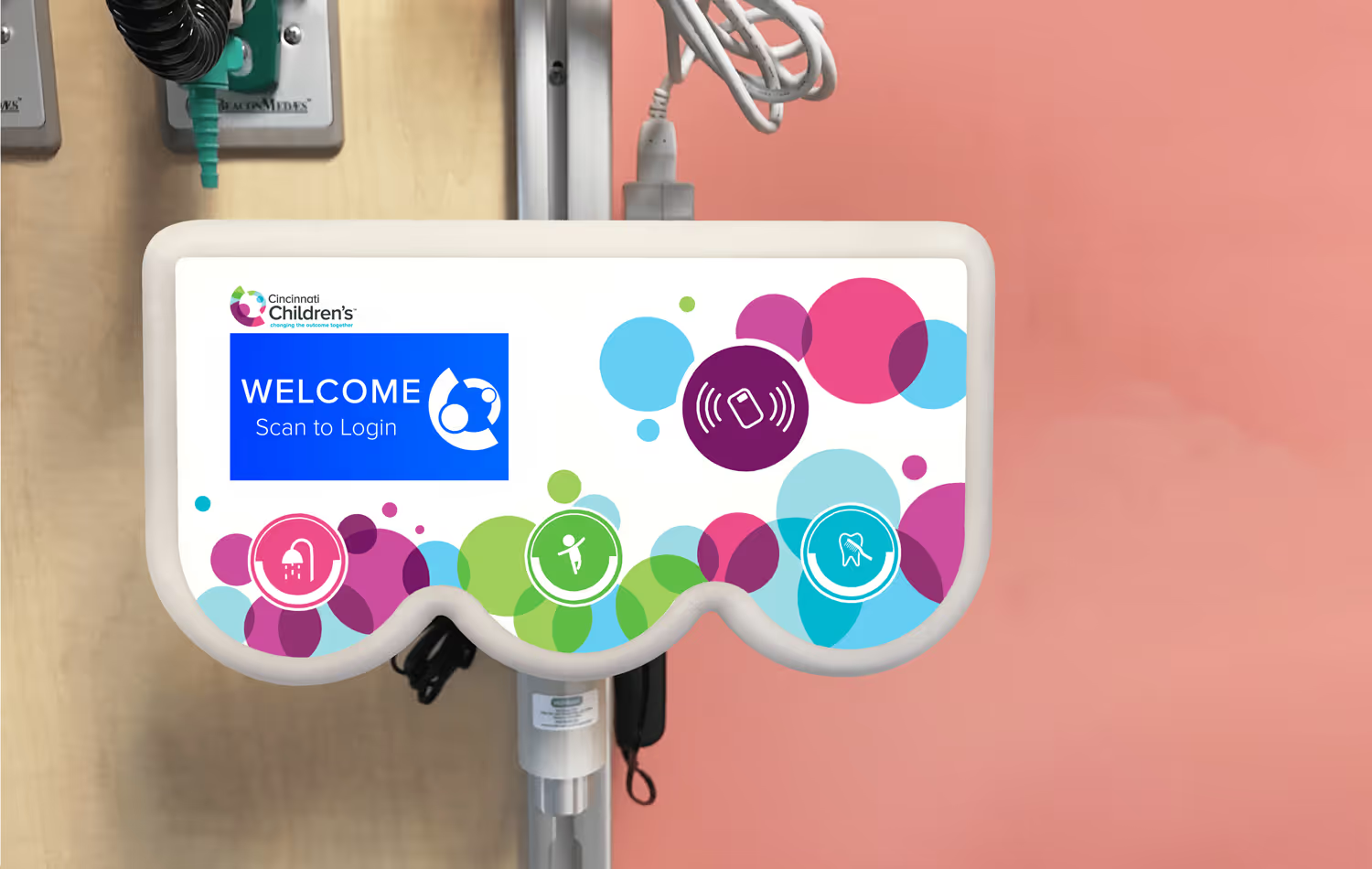
The team prototyped designs for a handheld device that would be fun and simple for children to interact with, while minimizing tracking efforts by the clinical teams. Manipulating the device sends information to the care teams in order to quickly and remotely track patient progress.
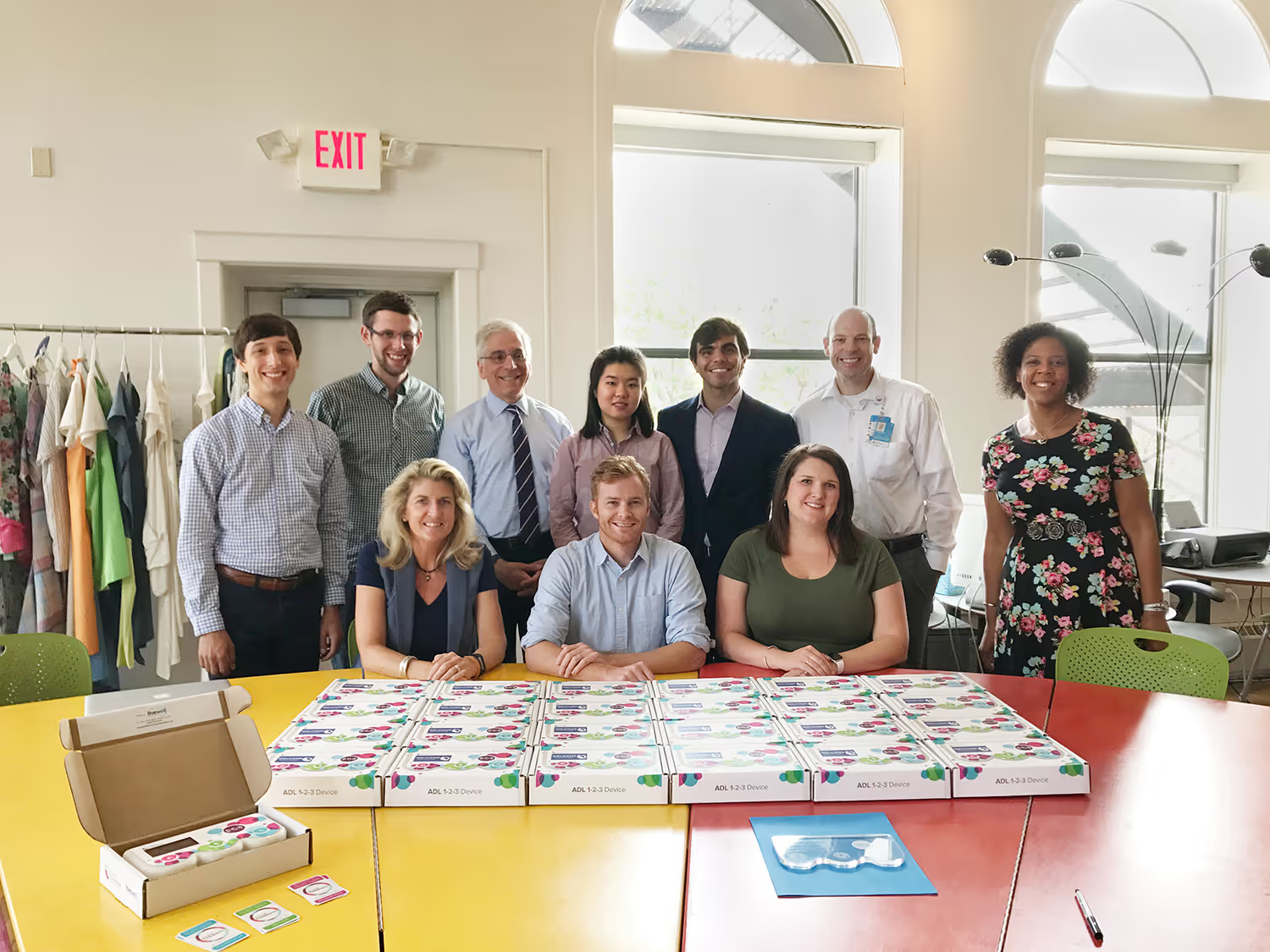
Patient adherence greatly improved in testing, resulting in reduced infection rates and reduced cost of healthcare. This device provides patients and their families with a sense of empowerment over their care, and encourages future healthy habits. Additionally, with more time available to devote to patient visits rather than chart tracking, members of the care team reported higher satisfaction and more positive patient and family interactions.