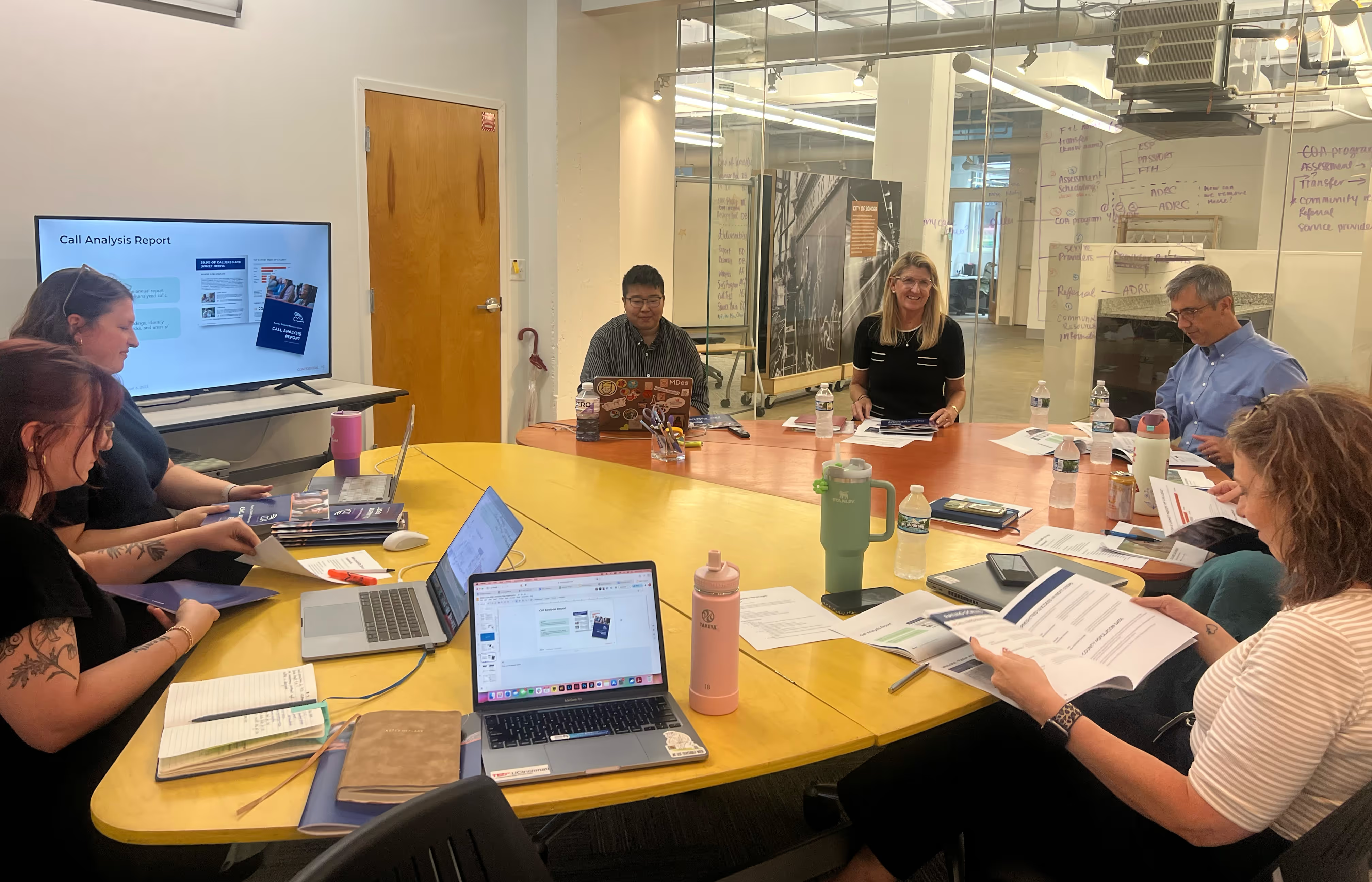
Each year, the Council on Aging of Southwestern Ohio receives over 50K calls a year to its Aging & Disability Resource Center (ADRC), a call-center where caregivers and older adults can call in for support services and resources. These conversations hold critical insight into unmet needs, service gaps, and system breakdowns, but much of that knowledge remained locked inside audio recordings which the organization was not to able parse themselves.

COA needed a structured understanding older adults' unmet needs to strategically develop new services and partnerships.

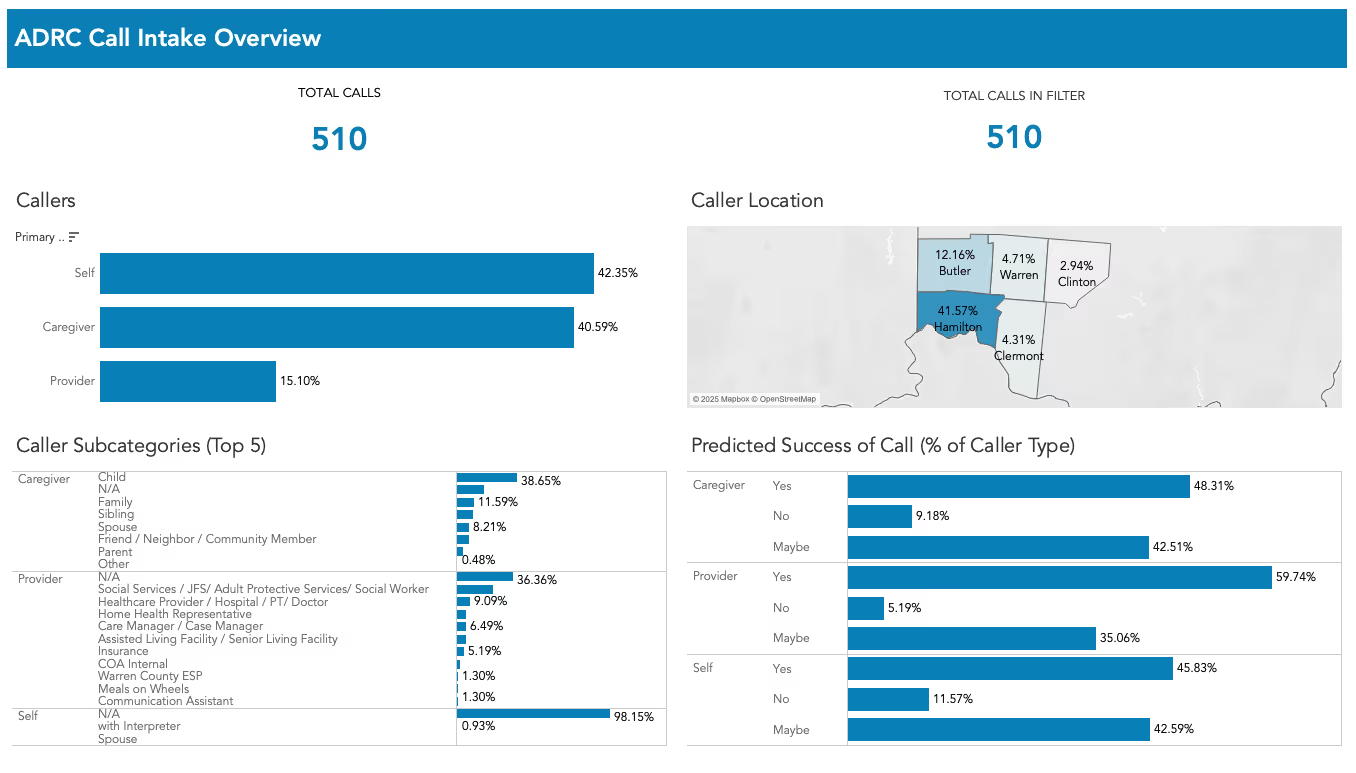
By applying qualitative and quantitative analysis to a sample of 500 calls, we uncovered systemic patterns—such as geographic disparities and operational friction—that were previously hidden within individual conversations.

The project delivered a strategic roadmap and concepts for new service models, transforming raw operational data into a clear, actionable plan that allows COA to invest in future programs with confidence.

“The calls already tell us what people need, we just have to listen differently.”
—
COA ADRC Specialist
While each ADRC call reflects a unique situation, patterns across hundreds of conversations reveal systemic community needs. COA needed a structured way to identify recurring themes, geographic disparities, and service gaps, without losing the human context behind each call.

Insights informed the development of new service concepts, such as follow-up communications and tailored outreach programs. Co-creation workshops with staff and service partners helped refine ideas and evaluate feasibility, impact, and resource requirements. Promising concepts were translated into service models, operational workflows, and partnership frameworks.
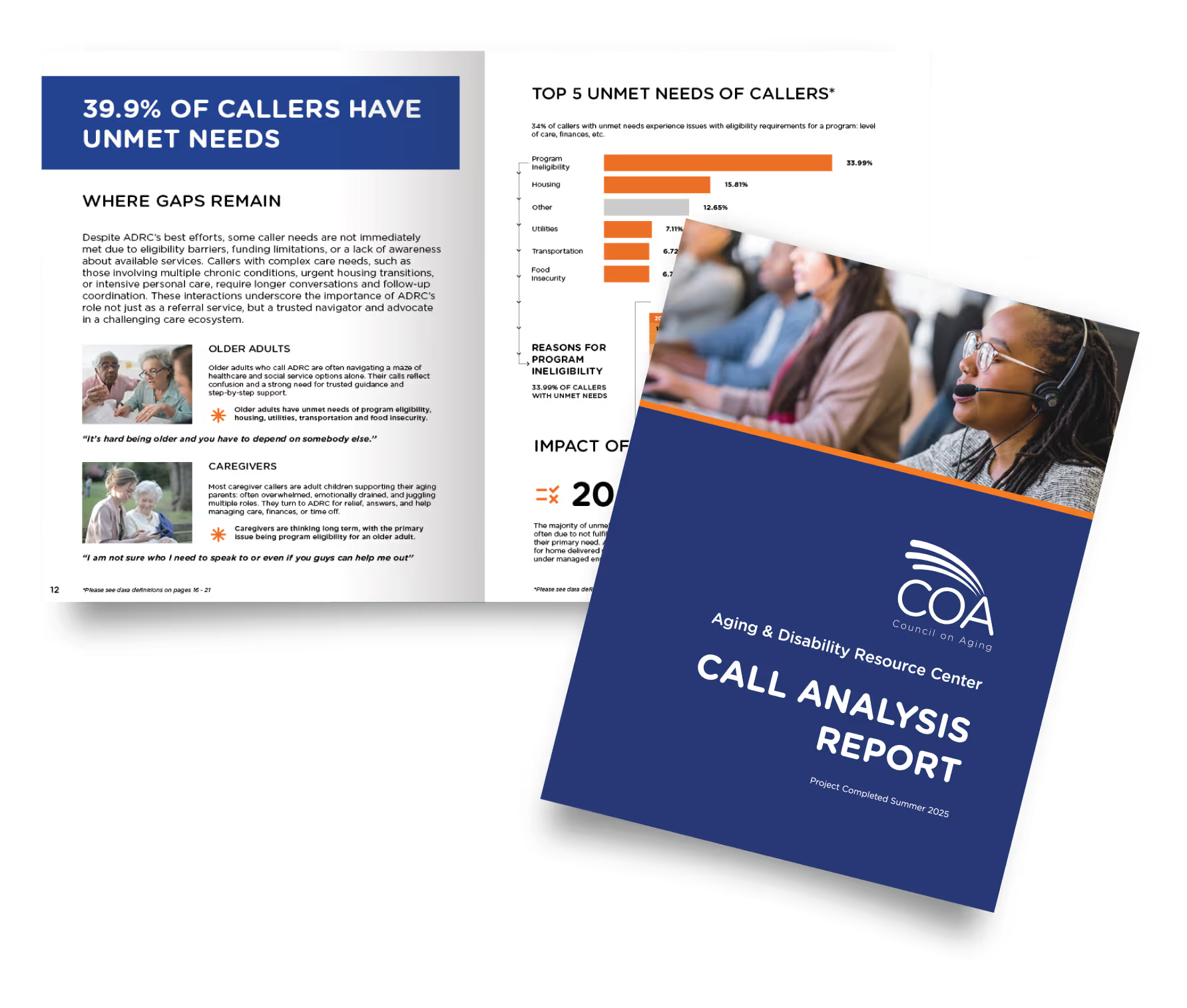
COA now has a clearer understanding of where current services succeed and where they fall short. By grounding strategy in insights gained from real client conversations, the organization has achieved alignment across teams and confidence in prioritizing future investments.
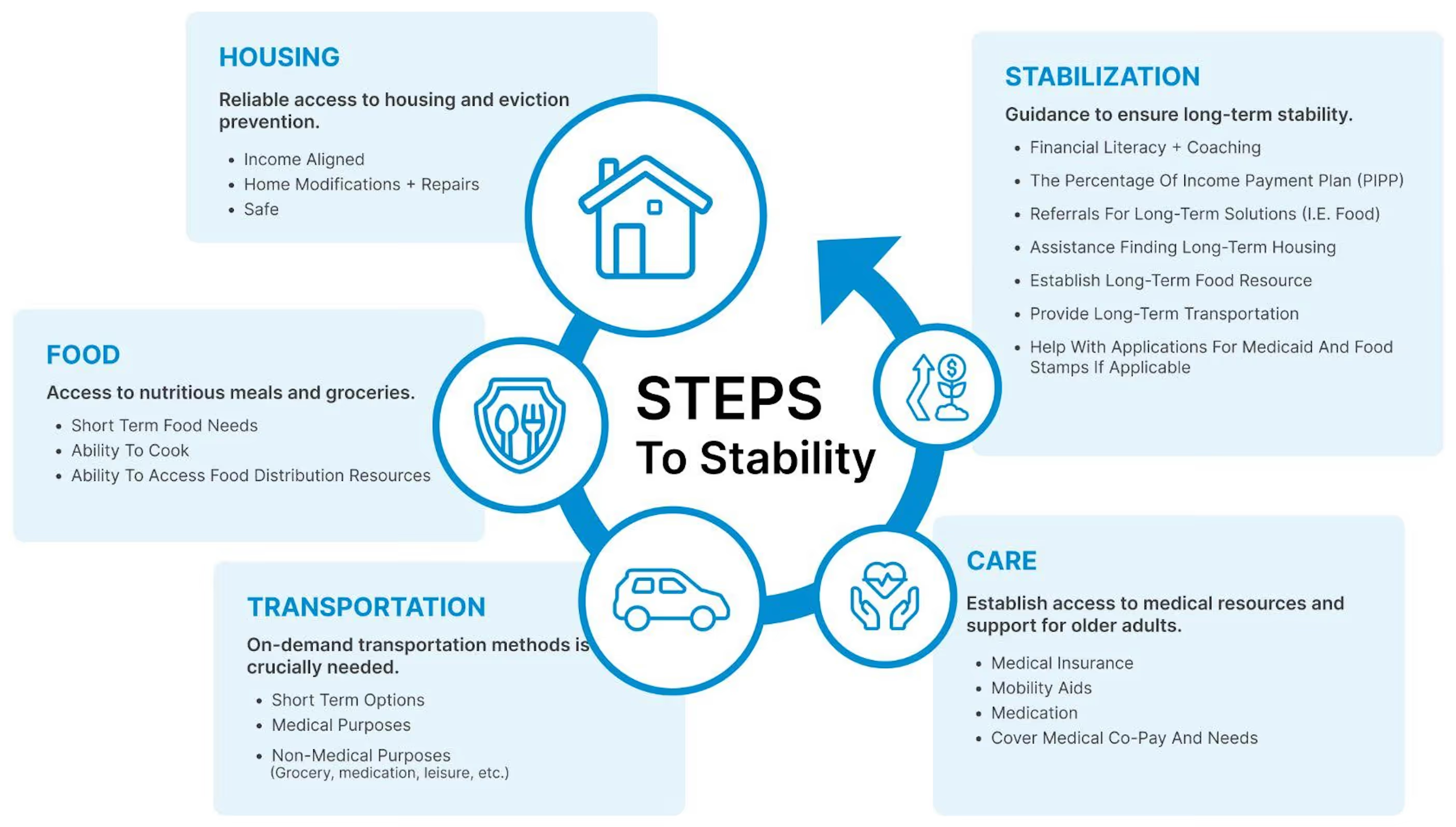
Final deliverables included:
The findings from this project serve as a foundational reference for pilot programs and continued stakeholder engagement. Ongoing testing, iteration, and monitoring will ensure services remain responsive to evolving community needs, and that the voices of older adults continue to guide COA’s services.