CPR training is required for all employees at Cincinnati Children's regardless of ability. Instructors had created a toolkit for individuals with intellectual and developmental disabilities (IDD), but sought a more cohesive redesign that would assist learners through realistic scenarios.

The learning kit in use didn't engage students, and was not realistic enough to draw a connection between teaching and practice.

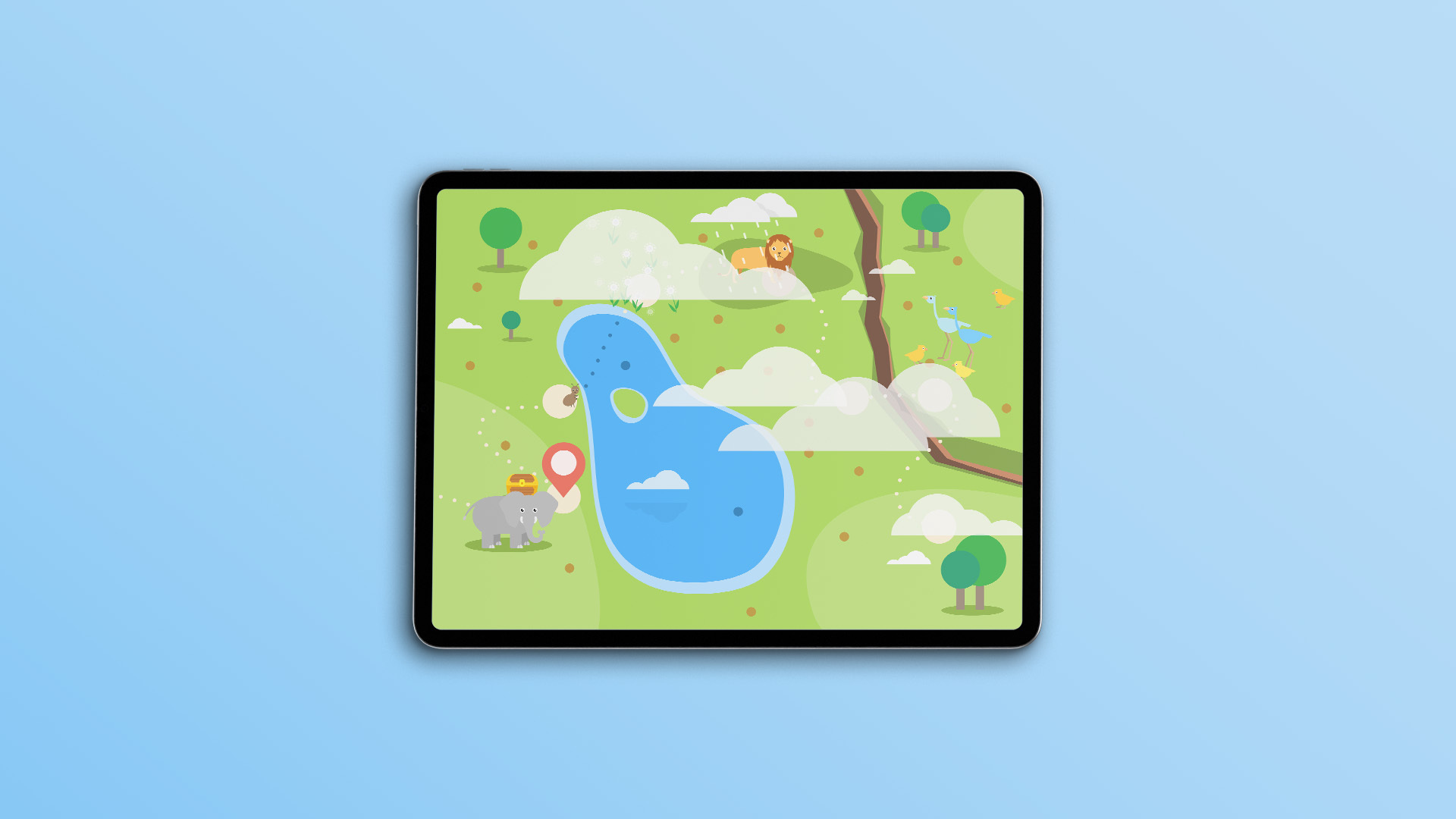
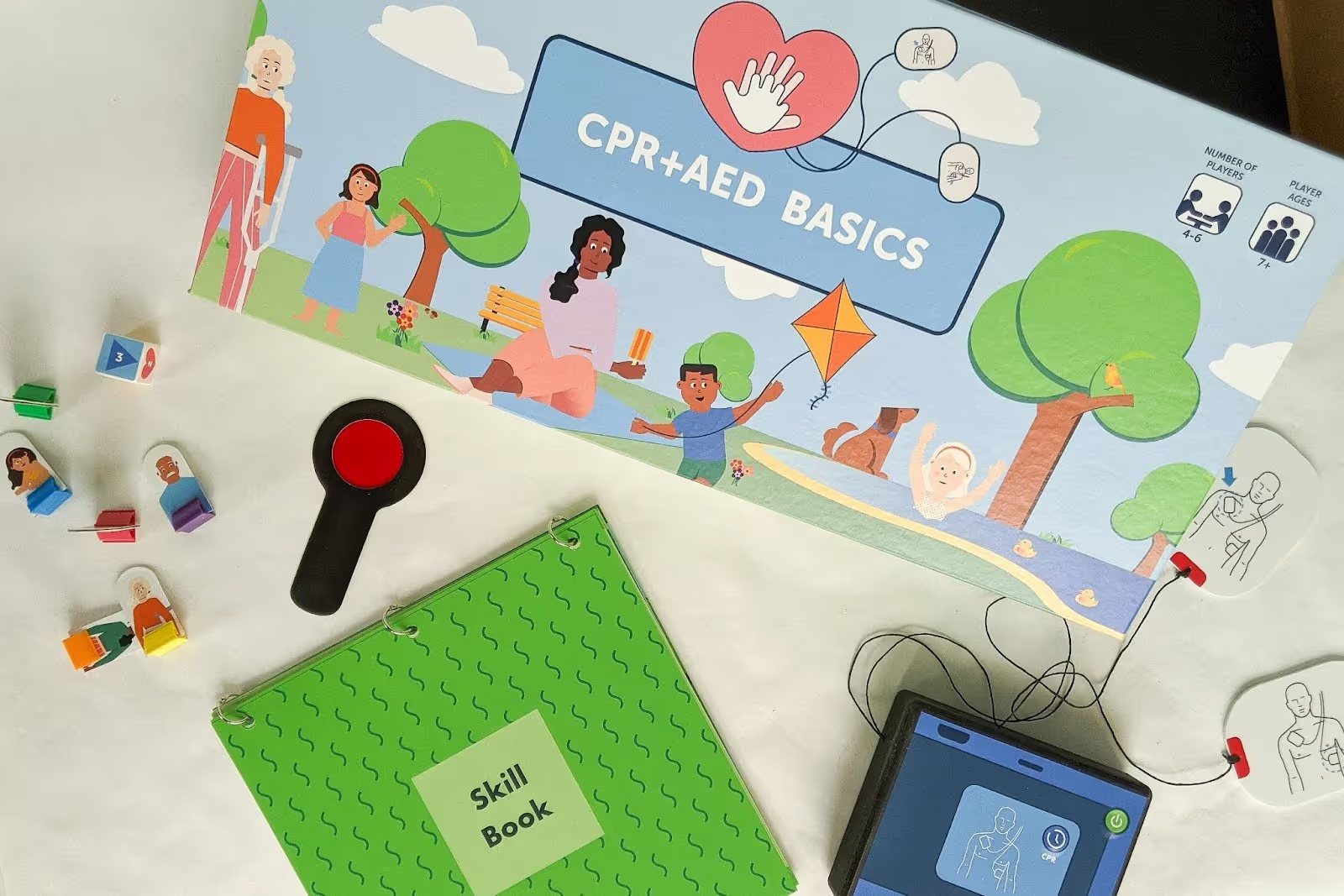
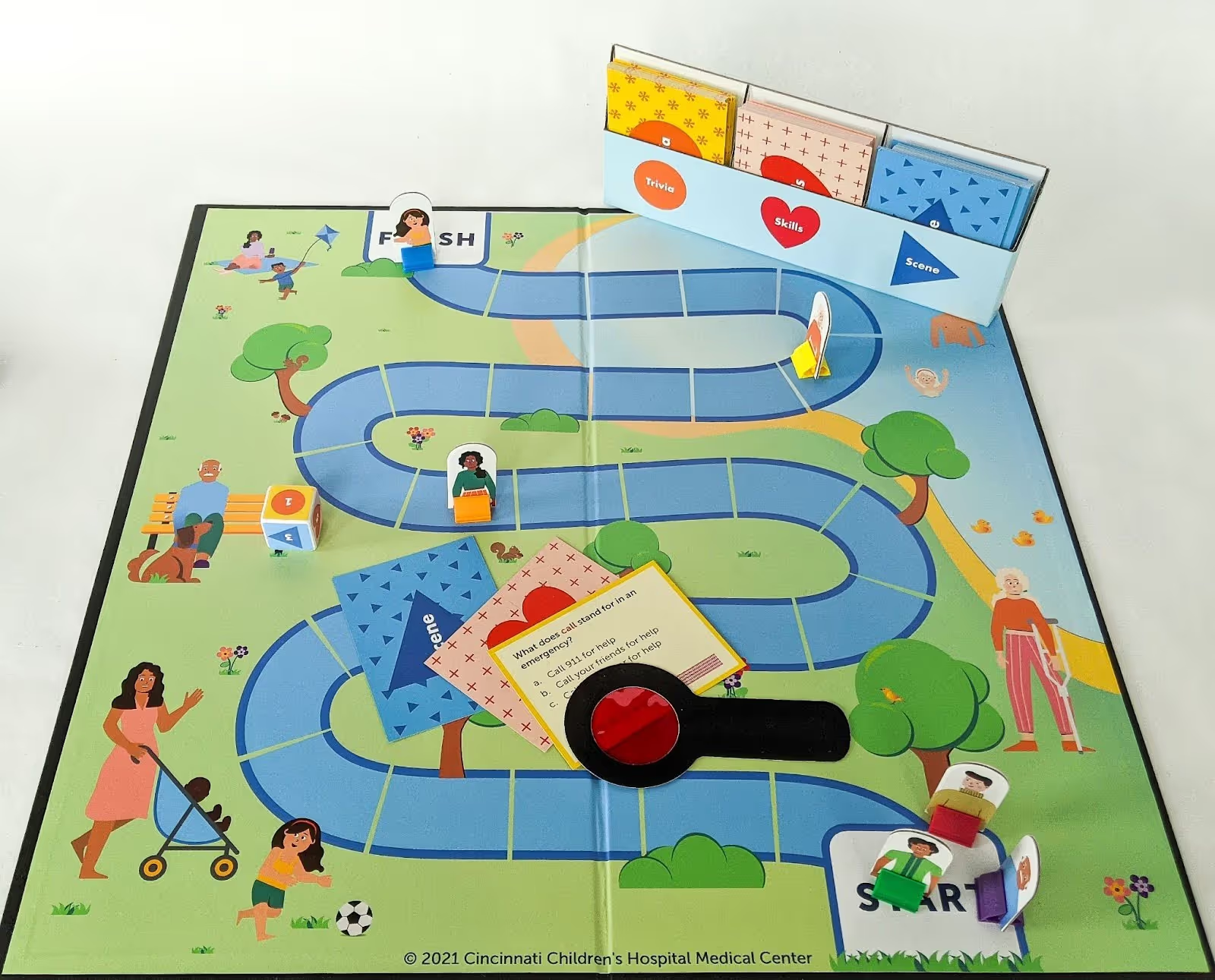
Reimagined the materials as a game-based toolkit that could be used individually or in groups, with opportunities for discussion, problem-solving, and physical demonstration.

Added enjoyment to the learning process and increased information retention under pressure.
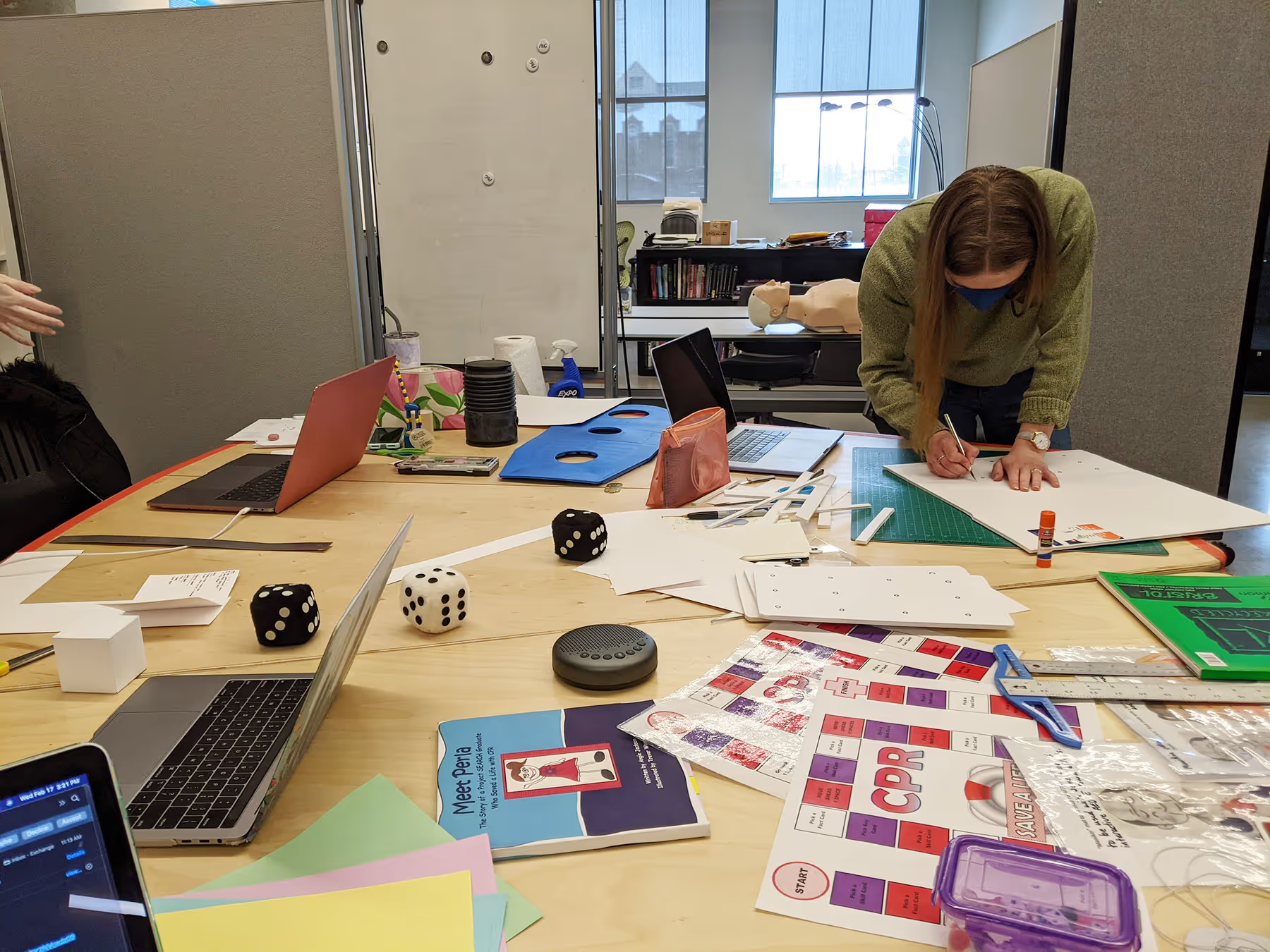
The first iteration of the CPR learning kit felt disconnected from real-life situations. The teaching storybook and accompanying game were not engaging enough to influence learners' memory and confidence in employing the skills they had learned and discussed. For individuals with IDD, it is especially important to provide realistic scenarios and visuals that can be clearly identified in practice.
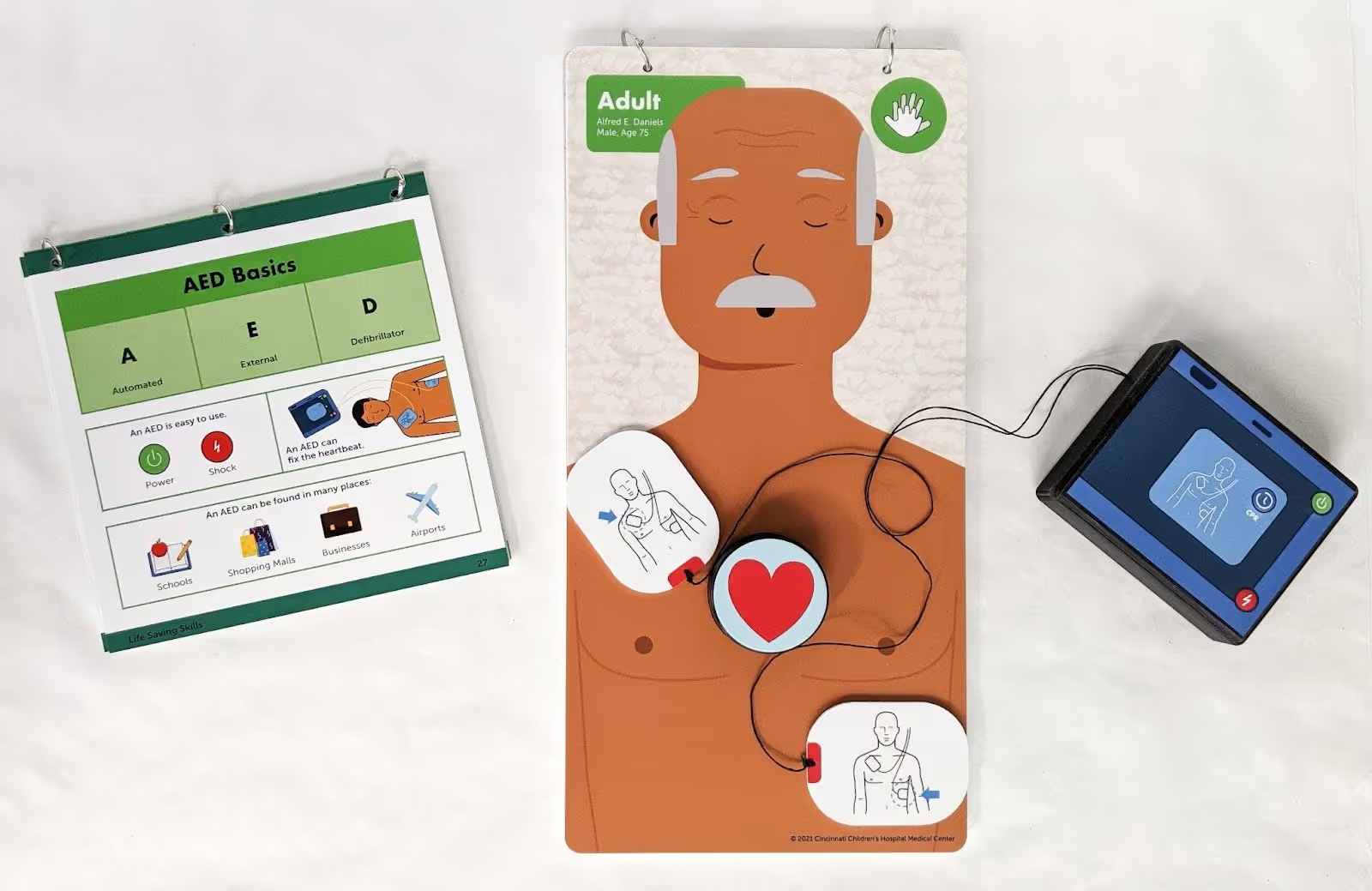
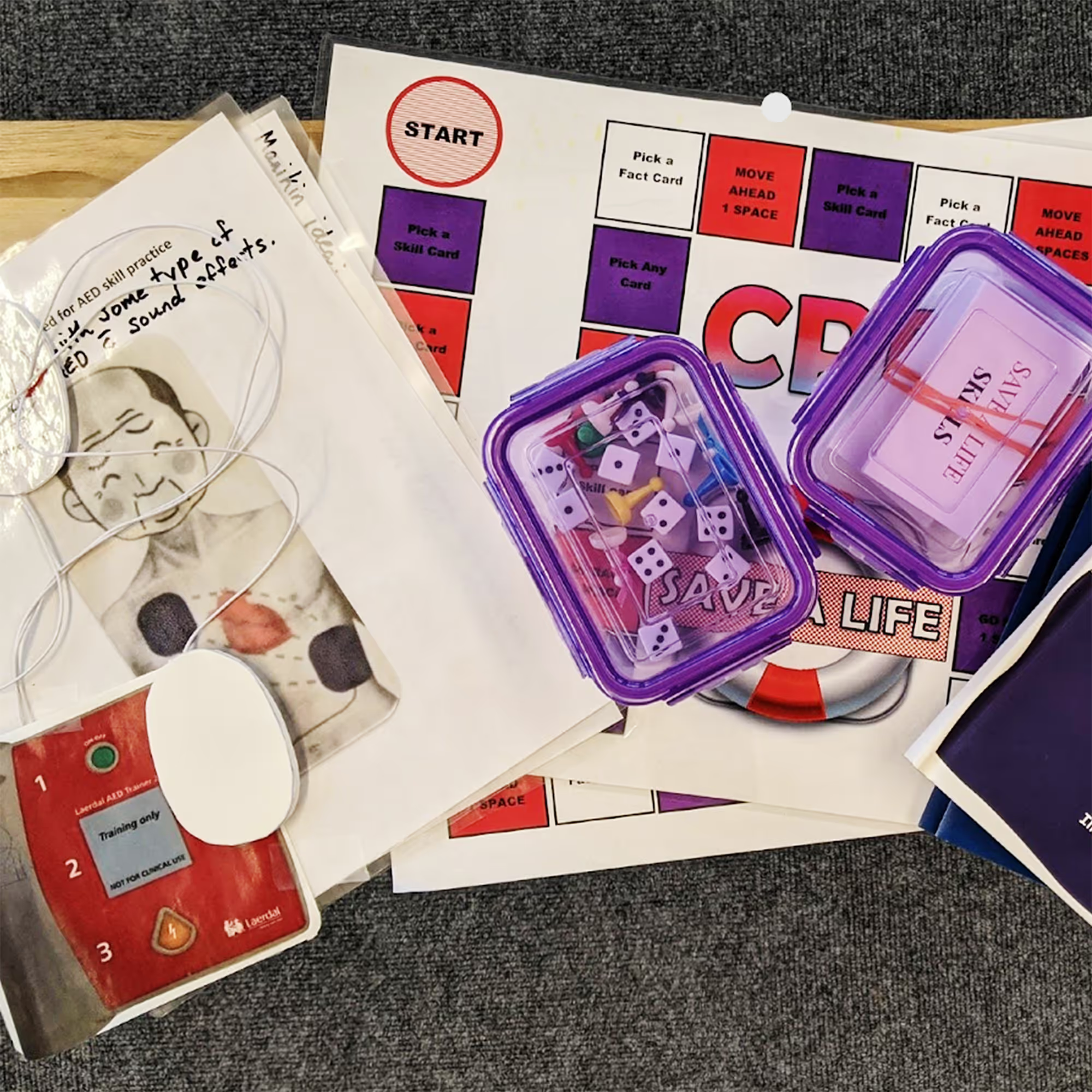
The teaching team had produced a handmade CPR learning set, and provided our teams with these materials to analyze their visual language, cohesion, communication proficiency, and functionality.
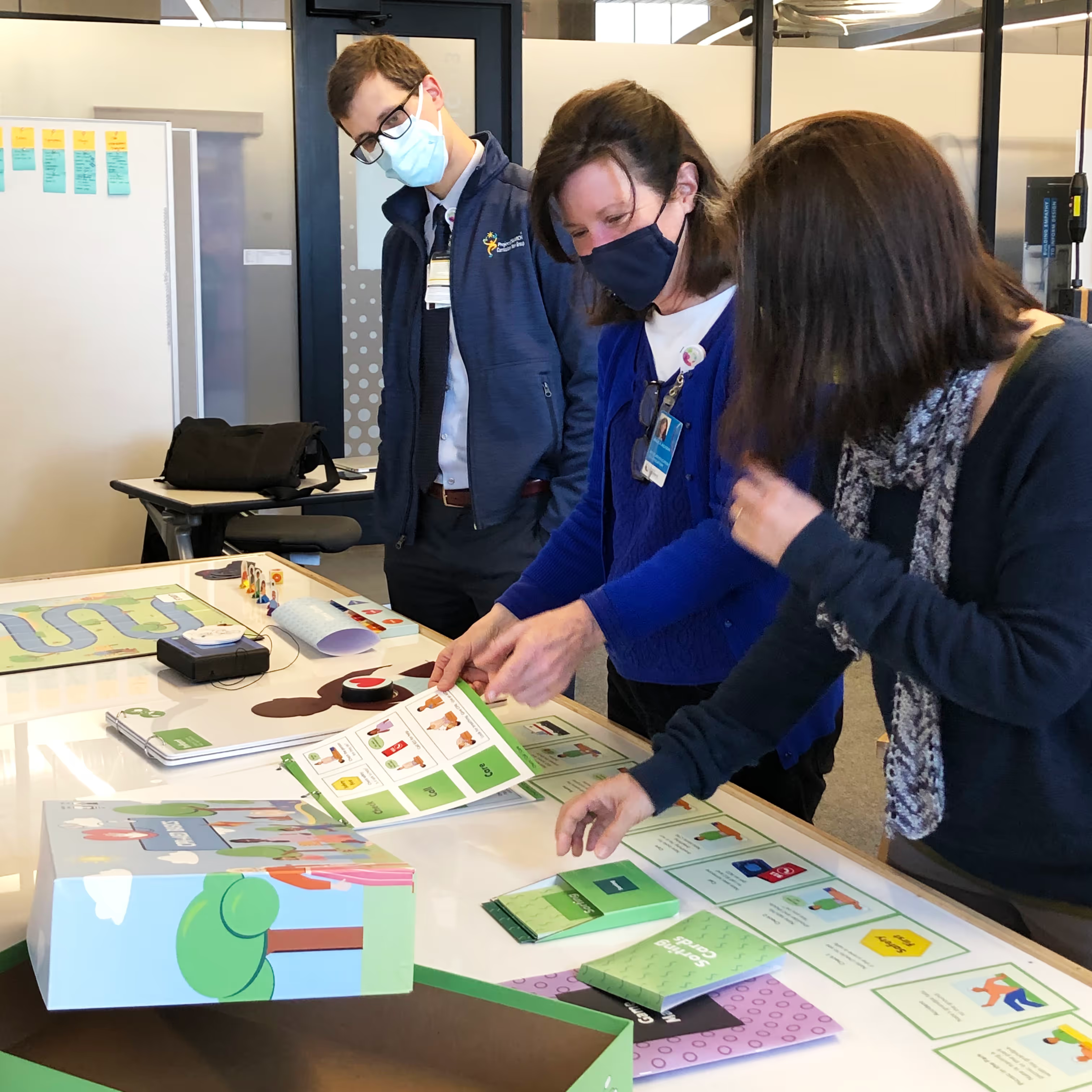
The Live Well team invited hospital employees and Project SEARCH interns to test multiple rounds of prototypes, recording their comments as they played the game.
Playing the new and improved CPR game helped students in focus groups feel much more comfortable discussing possible scenarios and practicing physical skills. CCHMC uses this tool as part of its training curriculum to ensure that individuals with intellectual and developmental disabilities are prepared to enter the workforce.
The project also provides the opportunity to expand CPR resource access to individuals in low-income communities with low literacy rates. The game set is available for purchase online and can be immediately implemented in schools, hospitals, and other institutions.