
This project addressed the high levels of fear and anxiety many children experience during anesthesia induction, which can lead to poor compliance and negative post-operative outcomes. Using a human-centered design process, the Live Well Collaborative and clinical partners developed an interactive digital tool that engaged children through breathing-based play, helping them feel more in control during the procedure. The resulting concept improved patient and family experience while reducing reliance on medication interventions and improving clinical workflow efficiency. This project was later commercialized as EZ Induction and CCHMC lead Abby Hess, APRN, DNP was awarded Johnson and Johnson's inaugural Nurses Innovate QuickFire Challenge.

Existing approaches to reduce induction anxiety are primarily distraction tools or medication They are inconsistent, ineffective, and not always appropriate for every patient. As a result, these limitations can lead to negative outcomes such as increased post-operative pain or long-term hospital-related anxiety.

We discovered the most effective approach was not distracting the child but actively engaging the patient, parents, and clinicians in the induction experience. This shifted the design focus from distraction to shared engagement, resulting in solutions which improved the overall experience and clinical outcomes.

The final output of the project was an application designed to improve the anesthesia induction experience for pediatric patients. The solution used breathing-based interactions tied to the anesthesia mask, such as games, visual feedback, and storytelling to actively engage the child while also involving parents and clinicians in the process.
"The traditional structure for an academic research project didn’t fit, as the focus was on product design and commercialization... Once we decided to work with Live Well, the design phase was seamless! Live Well has continued to be a great resource as we’ve moved through subsequent development phases."
—
Dr. Abby Hess, APRN, DNP
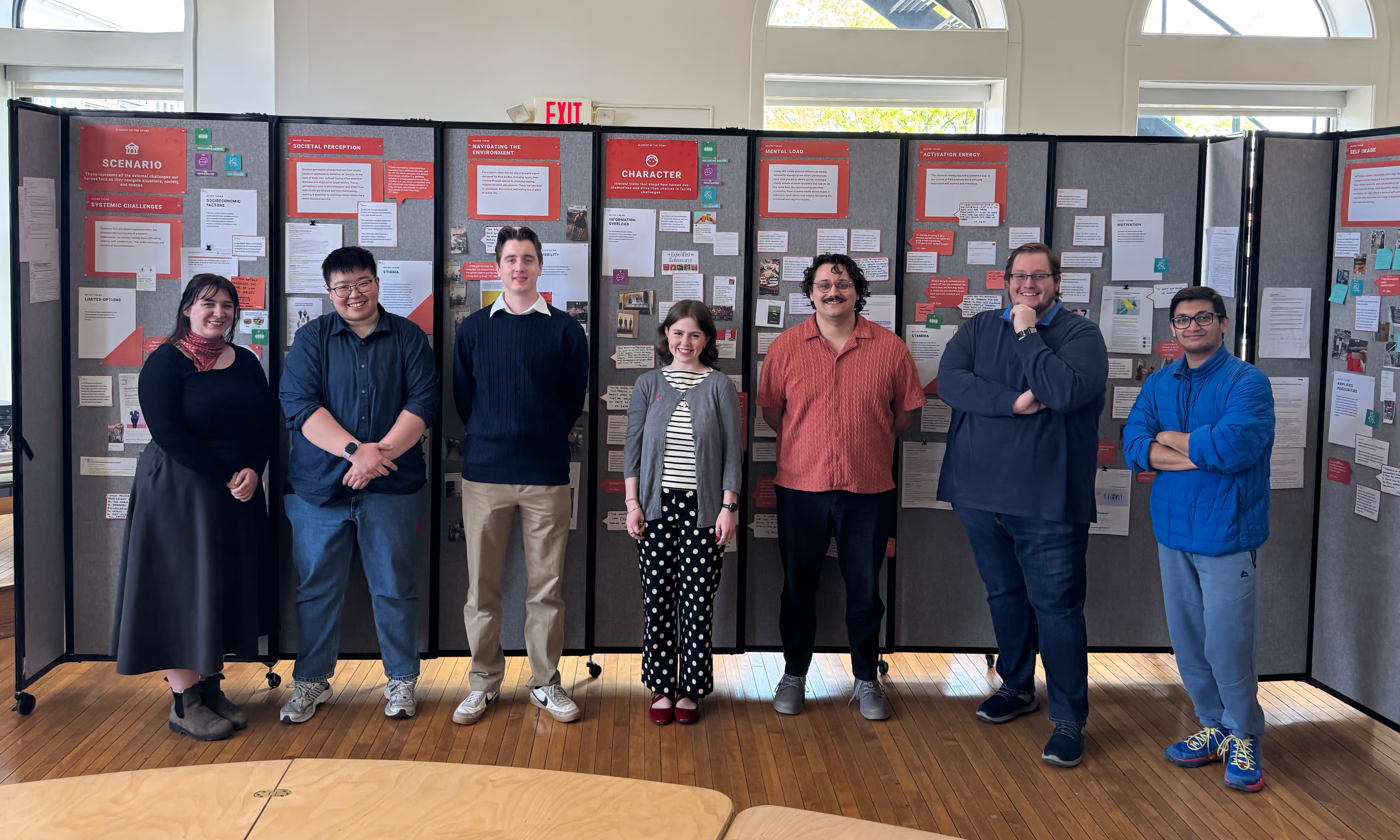
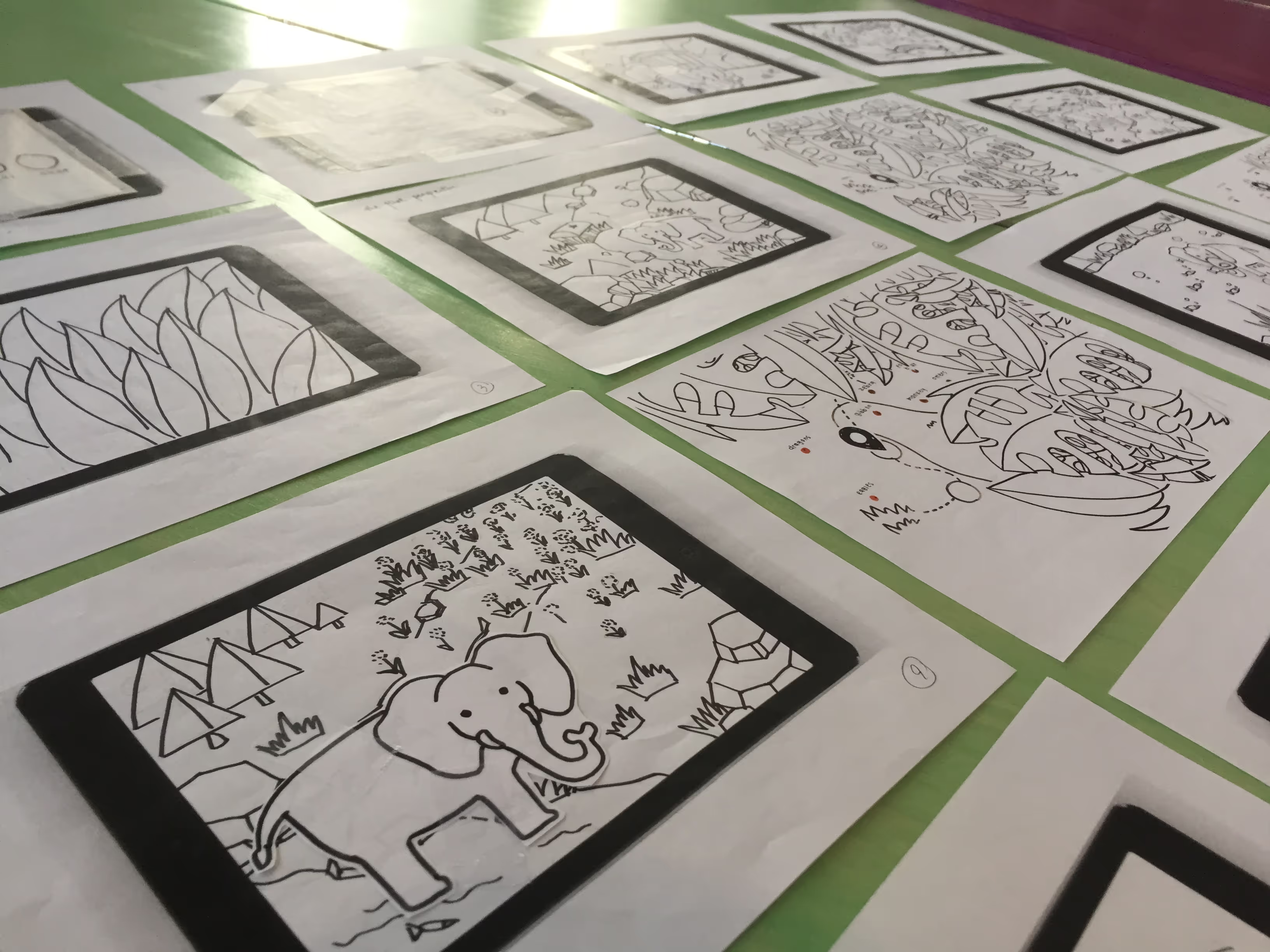
To address the challenge, the LWC team conducted a human-centered design process that included benchmarking existing solutions, observing anesthesia inductions, and interviewing clinicians and families. These insights were used to map the patient journey and identify key stress points where interventions could improve the experience. The team then developed and tested interactive concepts that engage children through breathing-based play during mask induction.
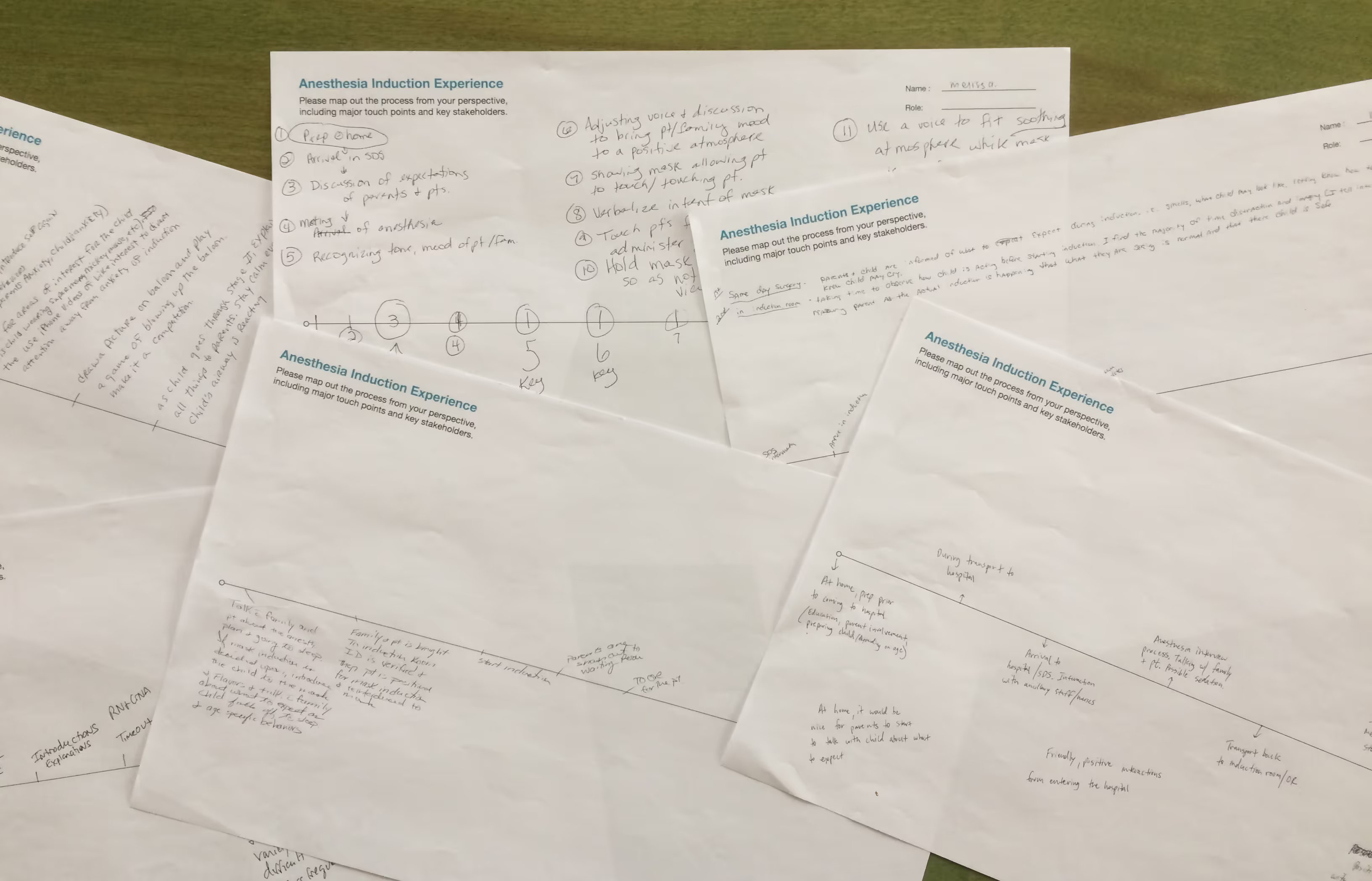

The human-centered design approach combining research, clinical observations, stakeholder interviews, and iterative prototyping to develop engaging solutions that help children interact more comfortably with the anesthesia induction process.
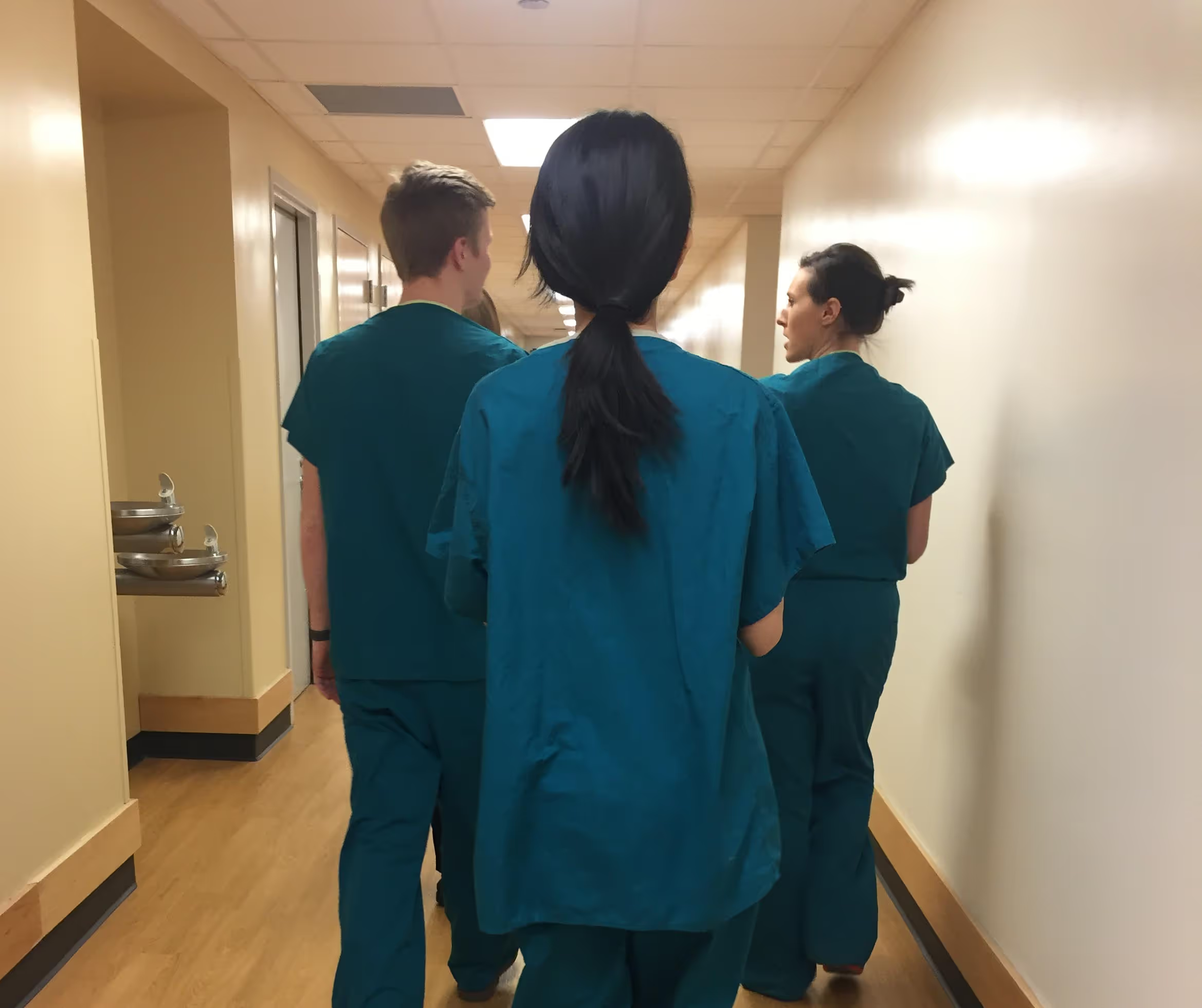
Prototyping and testing both digital and physical concepts was done with clinicians and families, using feedback to refine interactive solutions that engage children through breathing-based play during anesthesia mask induction.
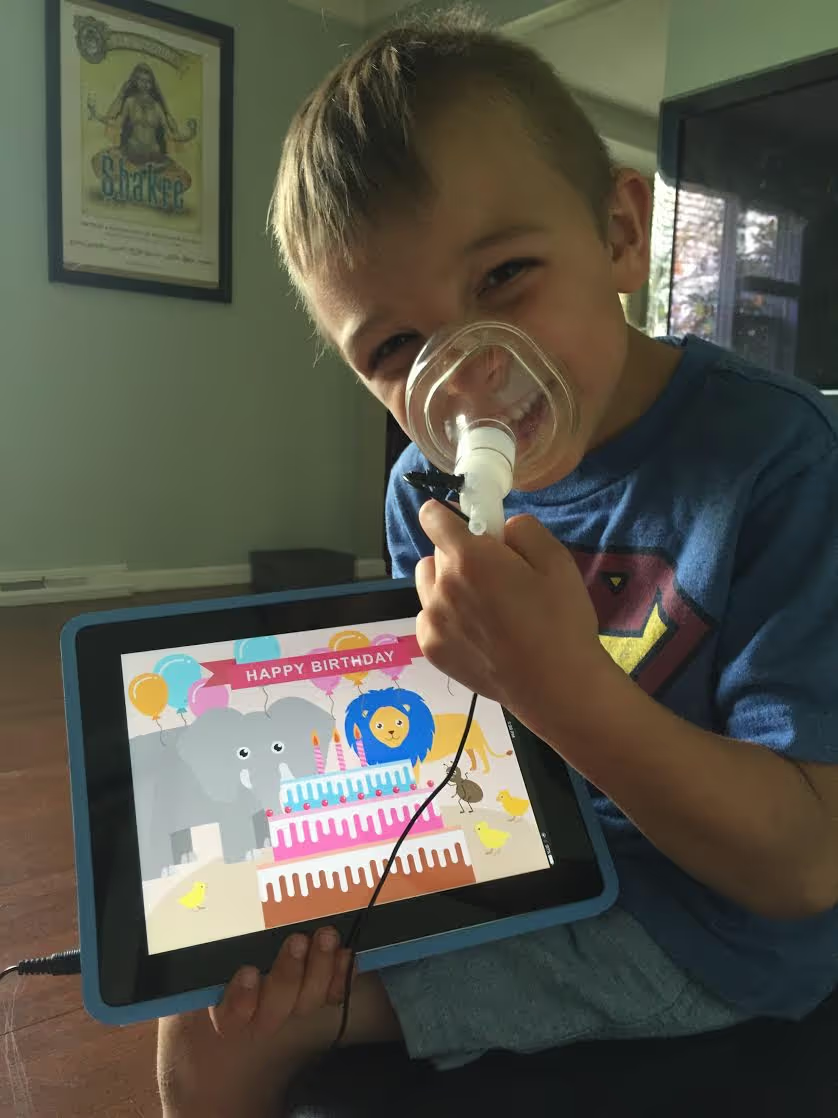
The project resulted in an interactive digital app that transforms anesthesia induction into an engaging experience for children. By improving mask acceptance and involving both parents and clinicians in the process, the solutions reduce patient anxiety and reliance on medication interventions. Ultimately, the work demonstrates how design-led innovation can improve pediatric patient experiences while supporting more efficient clinical workflows.