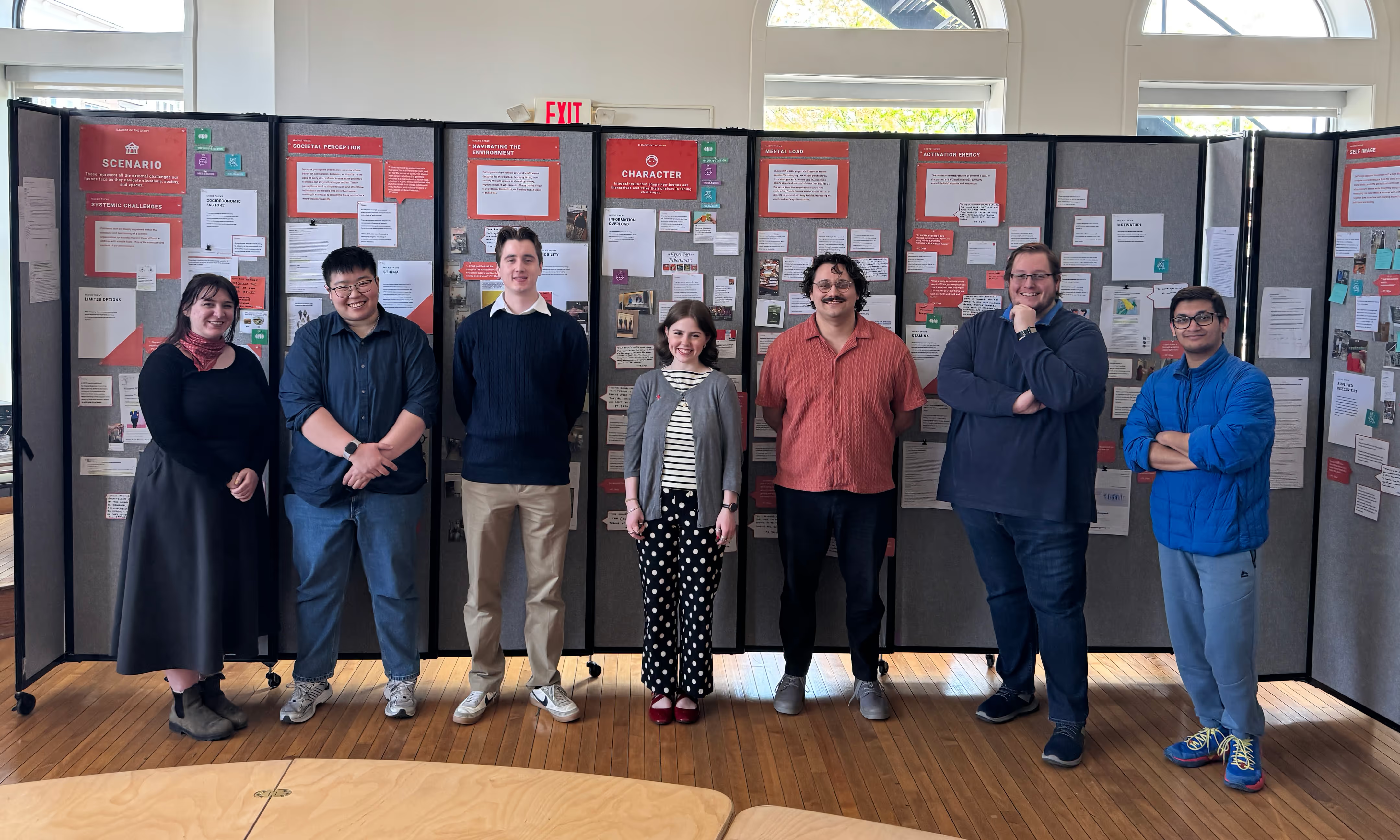
Procter & Gamble partnered on a generative research initiative to better understand the daily challenges of individuals living with high BMI. The project explored how these consumers navigate everyday tasks and environments. The initial goal of this project was to identify opportunities for more inclusive product design and distinguish high BMI specific needs from broader mobility or physical limitations. What the team uncovered, however, was the story of a group of people who are striving to gain acceptance and normalcy in a world that inherently views them as different.

P&G needed to look beyond clinical labels and general mobility assumptions to understand the specific environmental friction and social stigma faced by consumers living with high BMI.

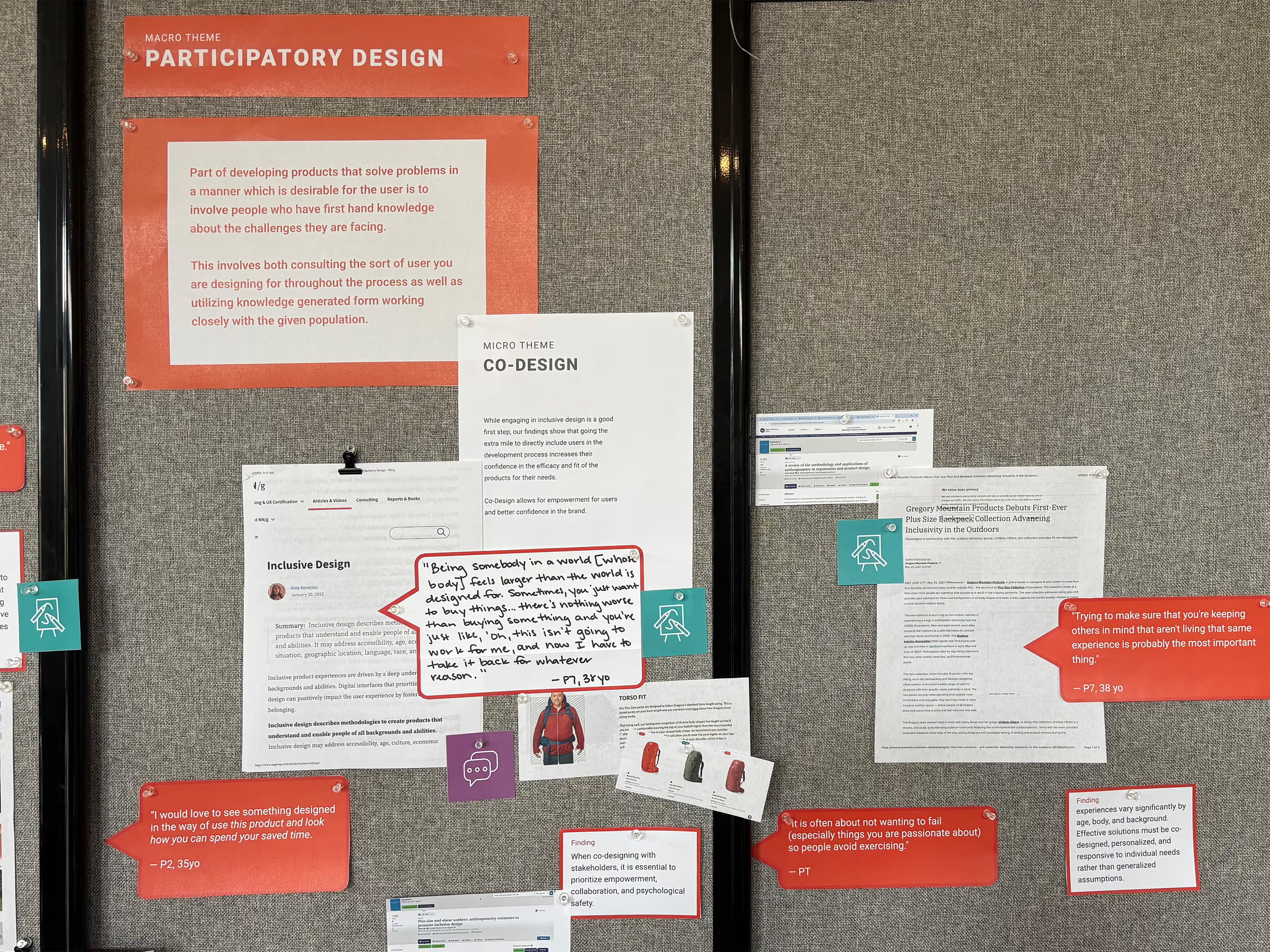
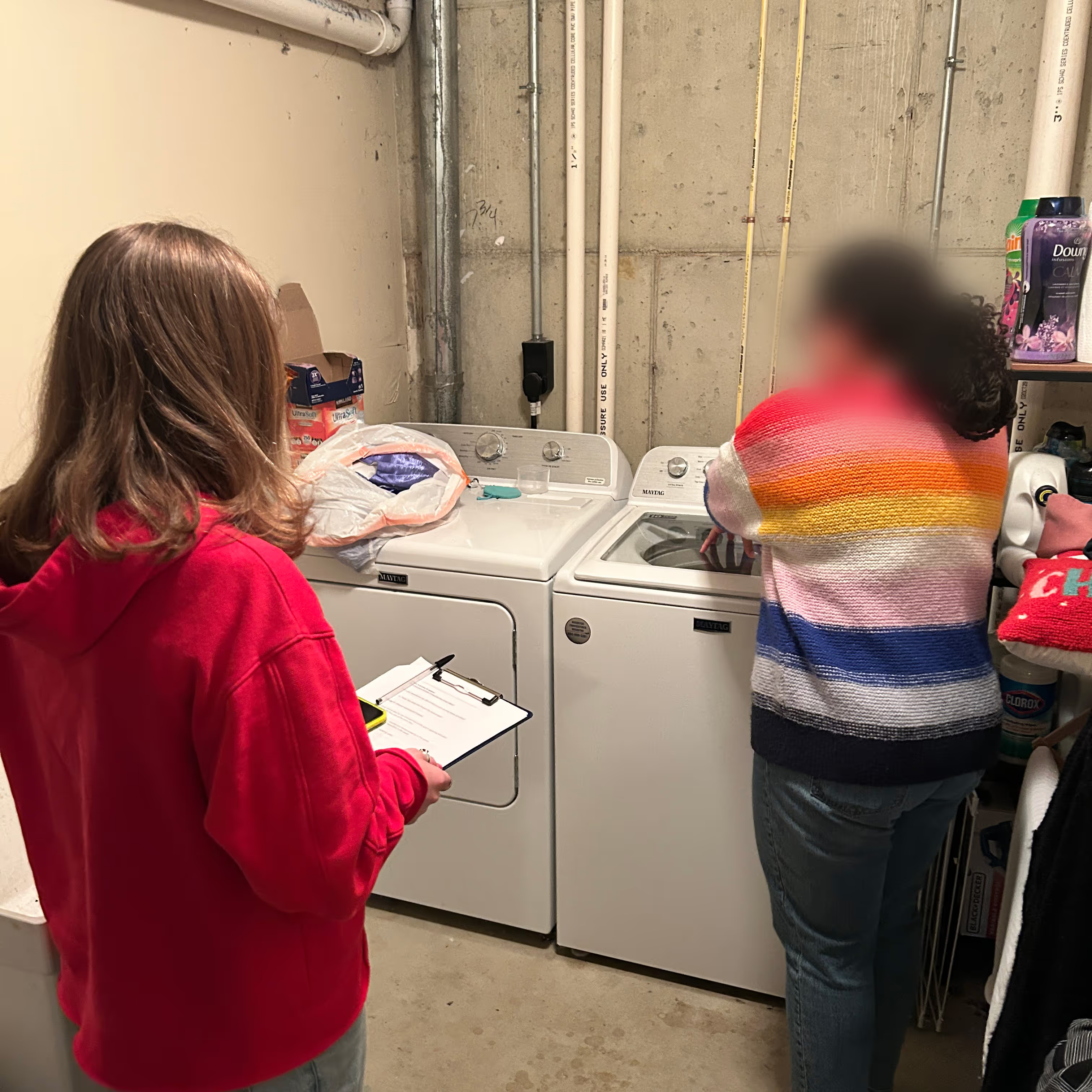
By centering on lived experience and in-home research, the team discovered that the primary barriers weren't the products themselves, but the mental load and "activation energy" required to navigate a world not built for their bodies.

The project established a framework for inclusive innovation that moves P&G from "designing for" to "designing with," ensuring products and messaging naturally accommodate diverse bodies without further marginalizing them.
“The world is shouting, ‘you don’t fit.’”
—
Research Participant
BMI is often treated as a stand-in for health, ability or motivation. P&G needed to understand how daily challenges actually show up in real life, where friction stems from product design, stamina or environment, and where stigma compounds these experiences. The team also needed to clarify which needs were unique to high BMI consumers versus those shared with people facing other mobility limitations.
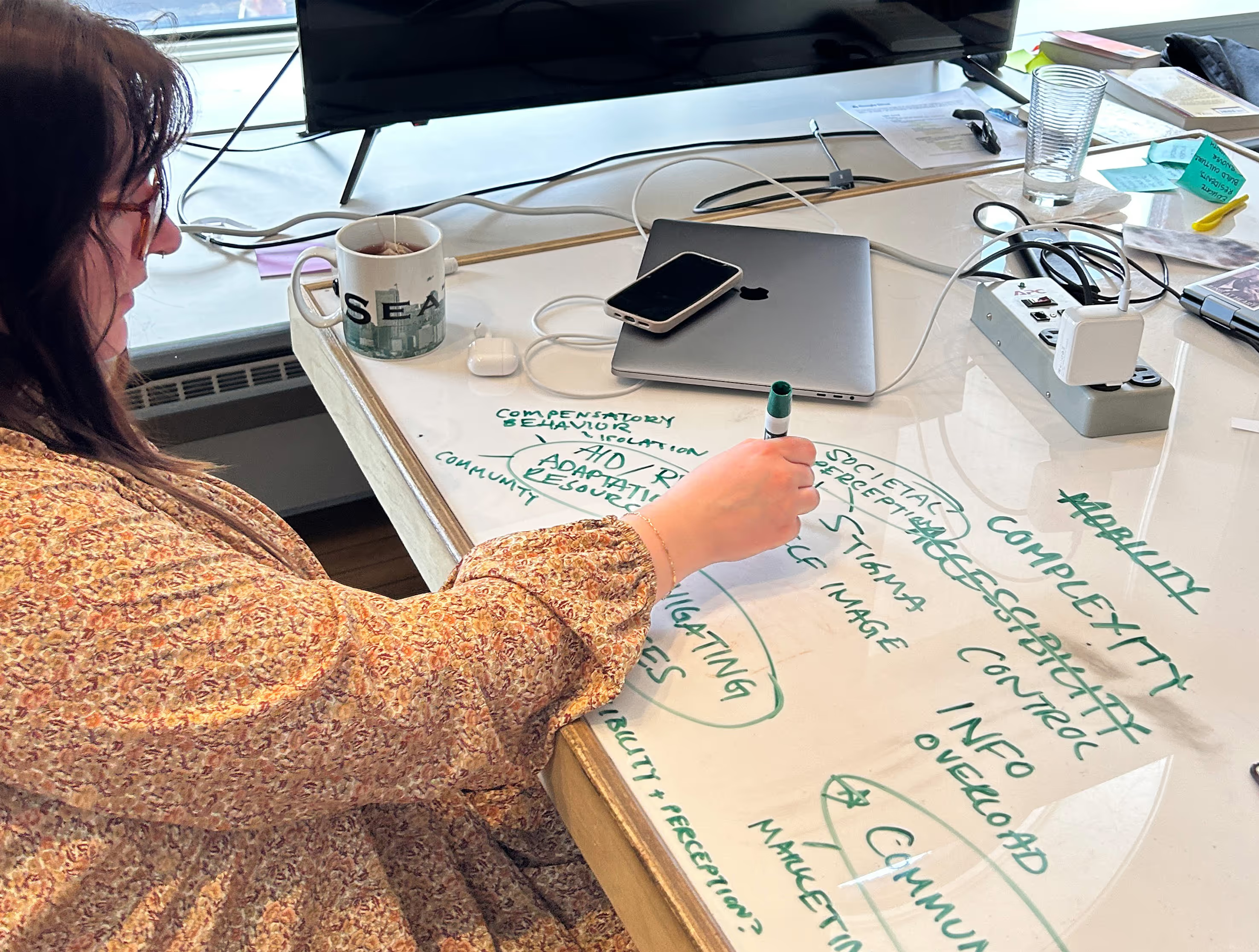
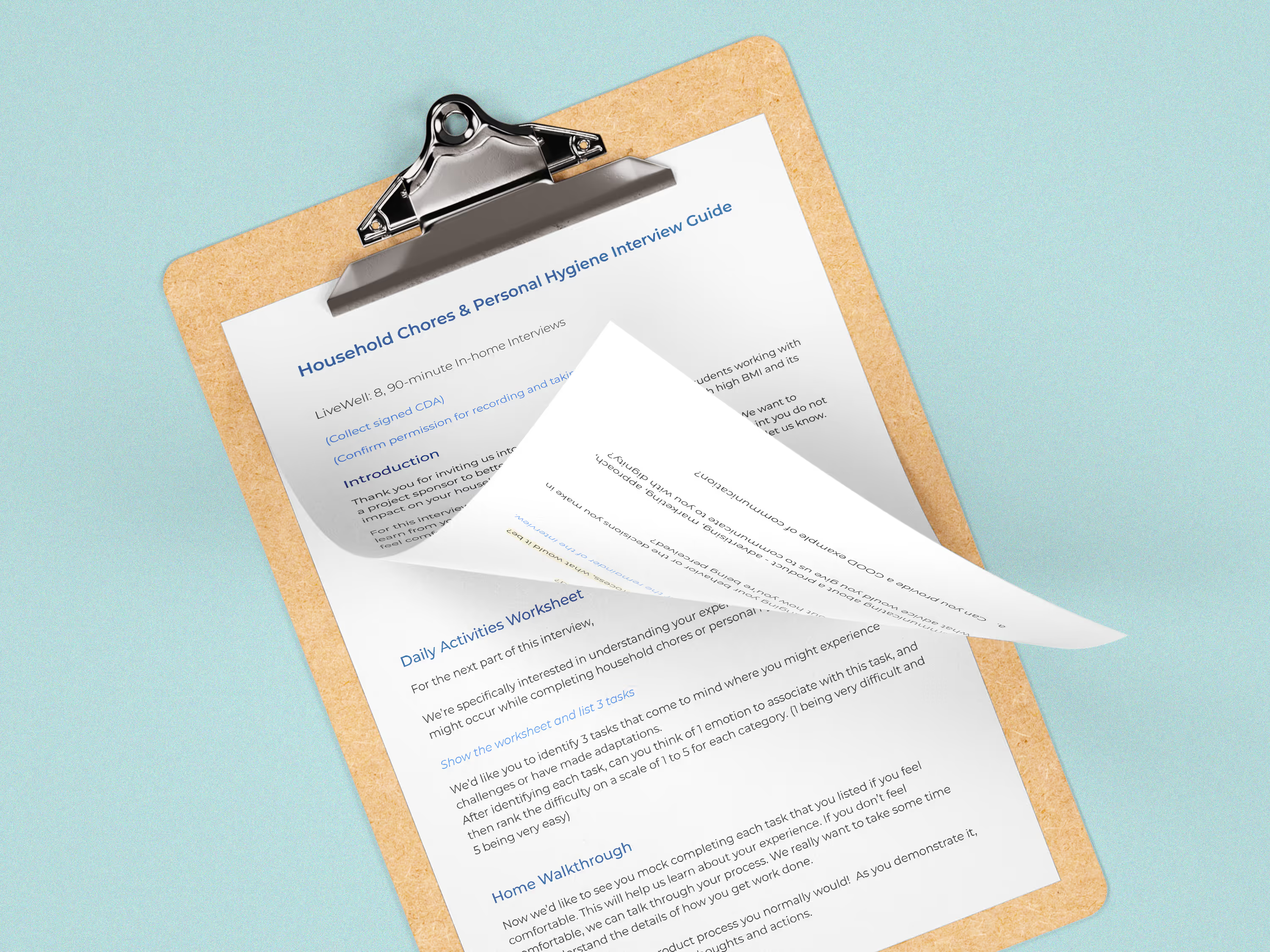
Research showed that products themselves were rarely the primary barrier. Instead, stamina, motivation, mental load, and environmental design created friction. These insights revealed opportunities to reduce activation energy, improve usability, and embed inclusion through both product design and communication.

This work gave P&G teams a more human understanding of what it means to live in a body when world is not built for you. The research challenged assumptions, surfaced systemic and societal barriers, and shifted conversations away from BMI as a label toward lived experience as a design input. Rather than designing solutions for problems unique to this group, the team discovered that it would be far more important to help create a world where P&G could approach their needs inclusively.
The project identified actionable opportunities for product refinement, inclusive messaging, and co-design. It clarified how the needs of high BMI consumers differ from, and overlap with, broader mobility challenges, enabling more focused, intentional design decisions across P&G categories.