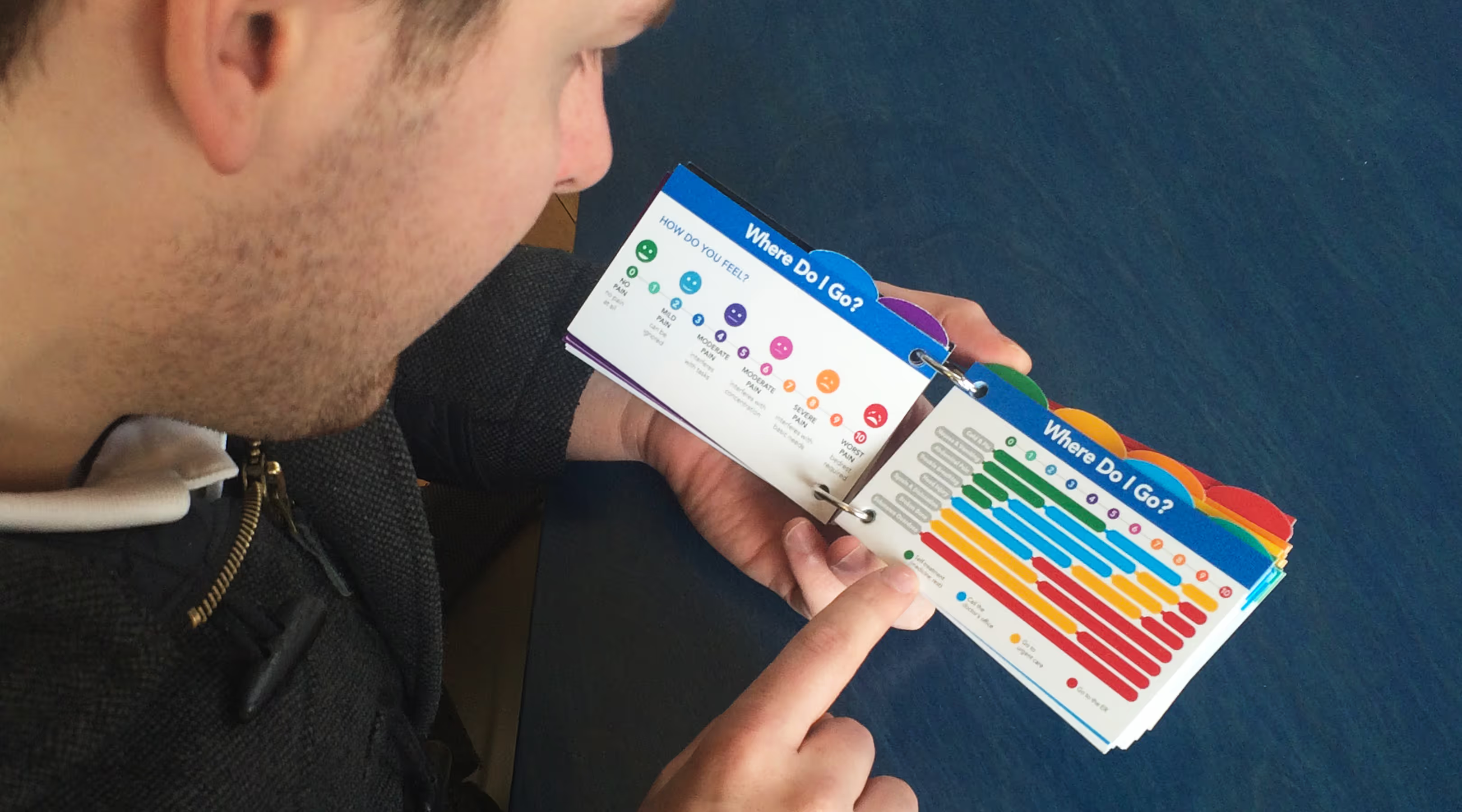
A man reviews a small ring-bound booklet that outlines a pain chart on the left page and points to a chart on the right page showing where a person should go to seek help depending on their condition and level of pain

Cincinnati Children's Hospital Medical Center

Foster Care

How a multi-year collaboration improved healthcare understanding, access and continuity in the foster care system.

Youth aging out of foster care and the caregivers who support them often face challenges like fragmented health information, convoluted systems, and high-stakes decisions. Between 2014 and 2021, Live Well Collaborative partnered with Cincinnati Children’s Hospital and Hamilton County Jobs & Family Services to design tools that make healthcare information for those in the foster system more clear, more accessible, and easier to act on.

Multi-year design & systems initiative

Foster youth aging out of care and their caregivers faced a fragmented and convoluted system where critical health information was often inaccessible, preventing informed decision-making and continuity of care.

Through a multi-year collaborative approach involving interviews and empathy mapping, the team realized that improving health equity required "listening across the system" to translate complex clinical documentation into plain-language, portable tools that build trust.

The partnership produced a connected ecosystem of digital platforms and print guides that empower foster youth and caregivers to navigate healthcare independently and for clinicians and social workers to collaboratively access and contribute to foster youth health data.
Expertise

  • Human-centered design research
  • Service and systems design
  • Plain language and health literacy
  • Print and digital product design
  • Information architecture
  • Usability testing and validation
  • Cross-sector collaboration
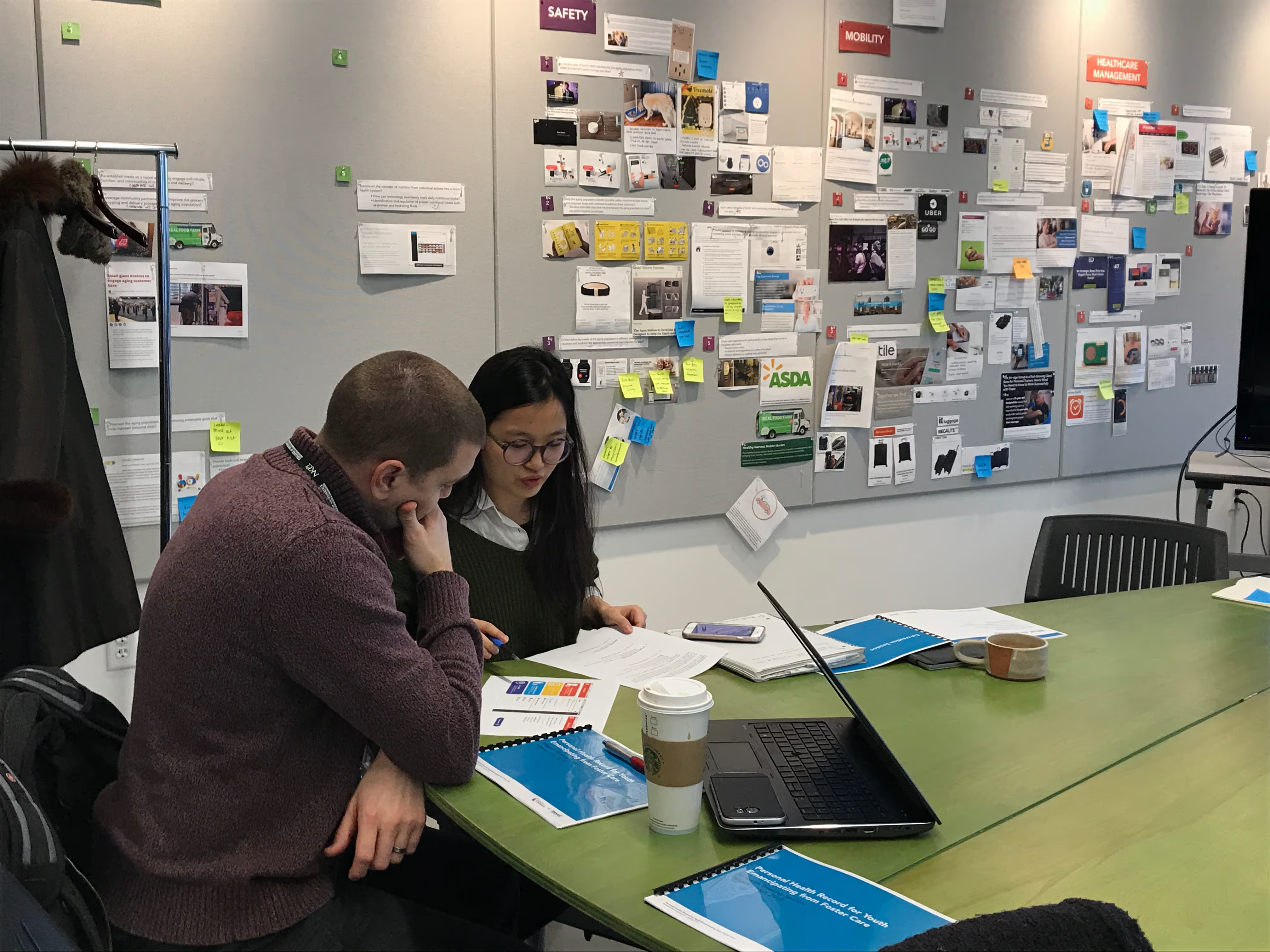
A male stakeholder and female research student sit at a table reviewing research materials.
“This work isn’t about one document or one tool, it’s about helping people navigate systems that weren’t designed for them.”

Project Stakeholder

The challenge

Designing for, trust, and scale with a vulnerable population.

Each project addressed a different point in the foster care and healthcare journey, from youth independence to caregiver decision-making to informed consent in clinical research.
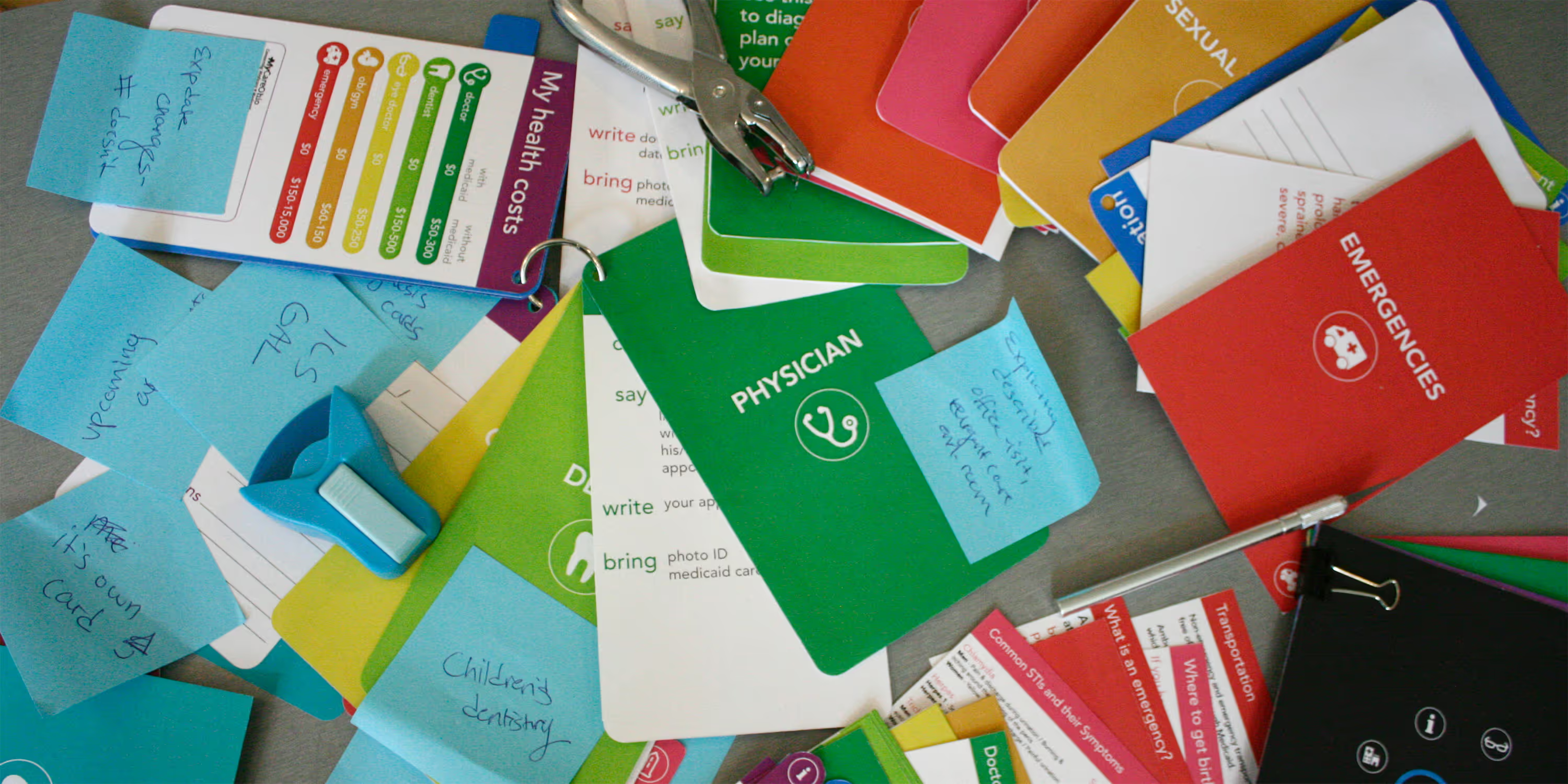
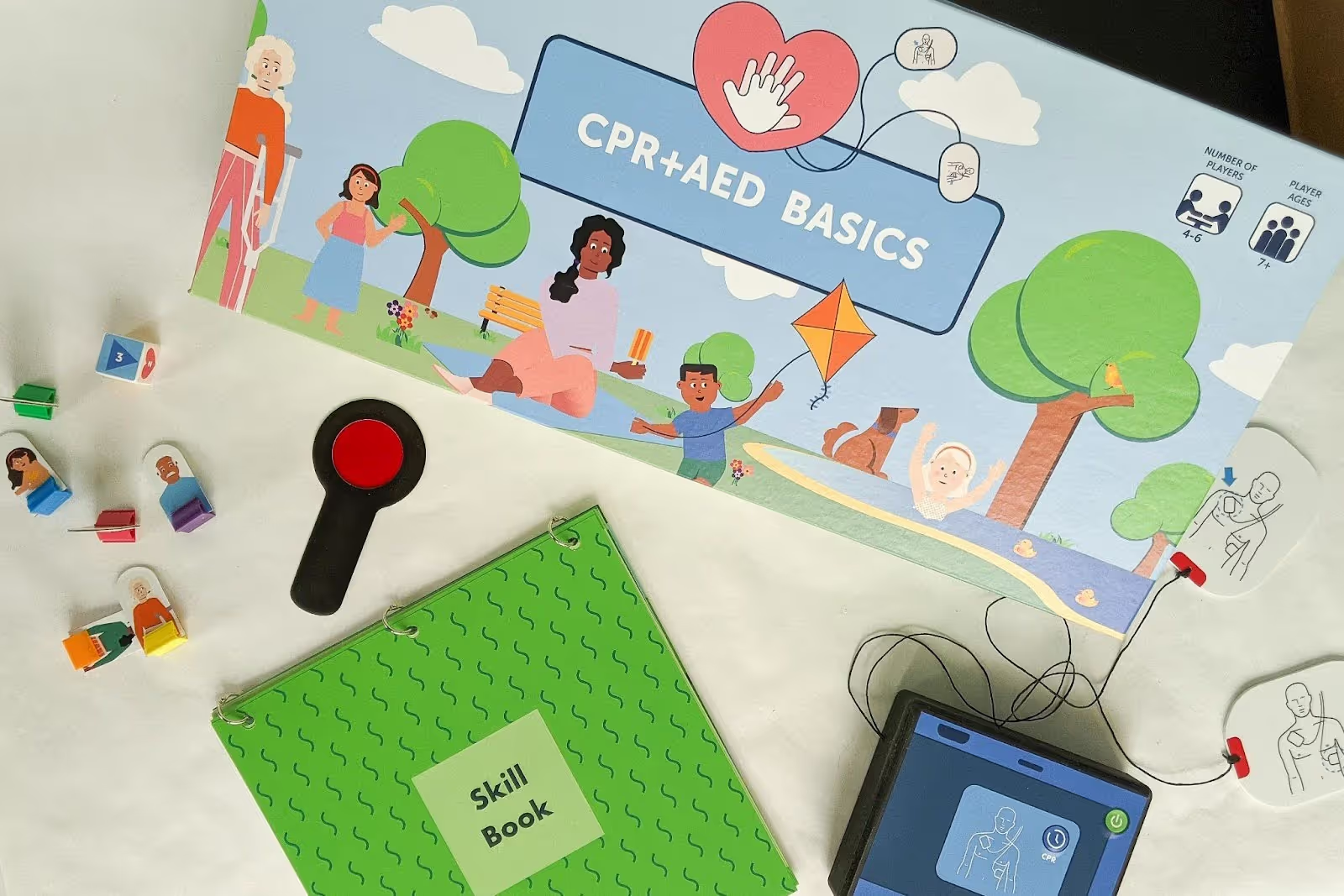
Top view of supplies and colorful cards being assembled into a booklet bound with a key ring.
The approach

Listening across the system.

Methods used:

  • Interviews with foster youth, caregivers, clinicians, and research coordinators
  • Stakeholder workshops and focus groups
  • Observation and shadowing
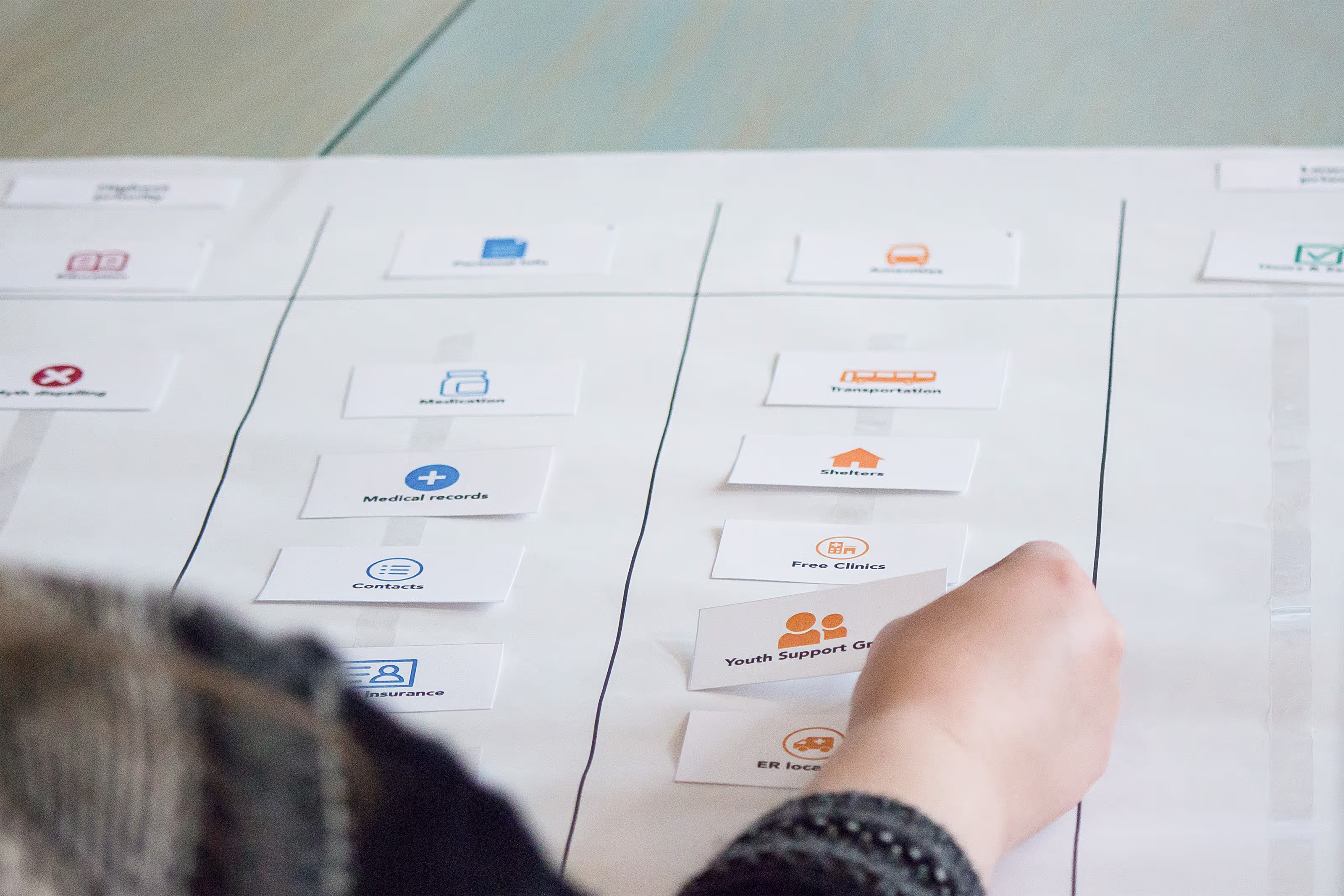
  • Empathy mapping, card sorting, and usability testing
  • Research into Plain-language communication and health literacy
  • Research insights shaped both content and format, ensuring tools were not only accurate, but usable in real life.
Over the shoulder view of a woman card sorting different resources and information for foster care youth.
The Making

From print guides to digital systems.

Over the course of several projects, the team designed and refined:

  • A portable healthcare guide for youth aging out of foster care
  • Simplified, plain-language informed consent materials and a supporting tool kit
  • A multi-touch informed consent system, including video, print, and digital tools
  • IDENTITY for Caregivers, a web and mobile platform providing foster caregivers with real-time health information

Each solution was iteratively tested and refined with end users to ensure clarity, confidence, and adoption.
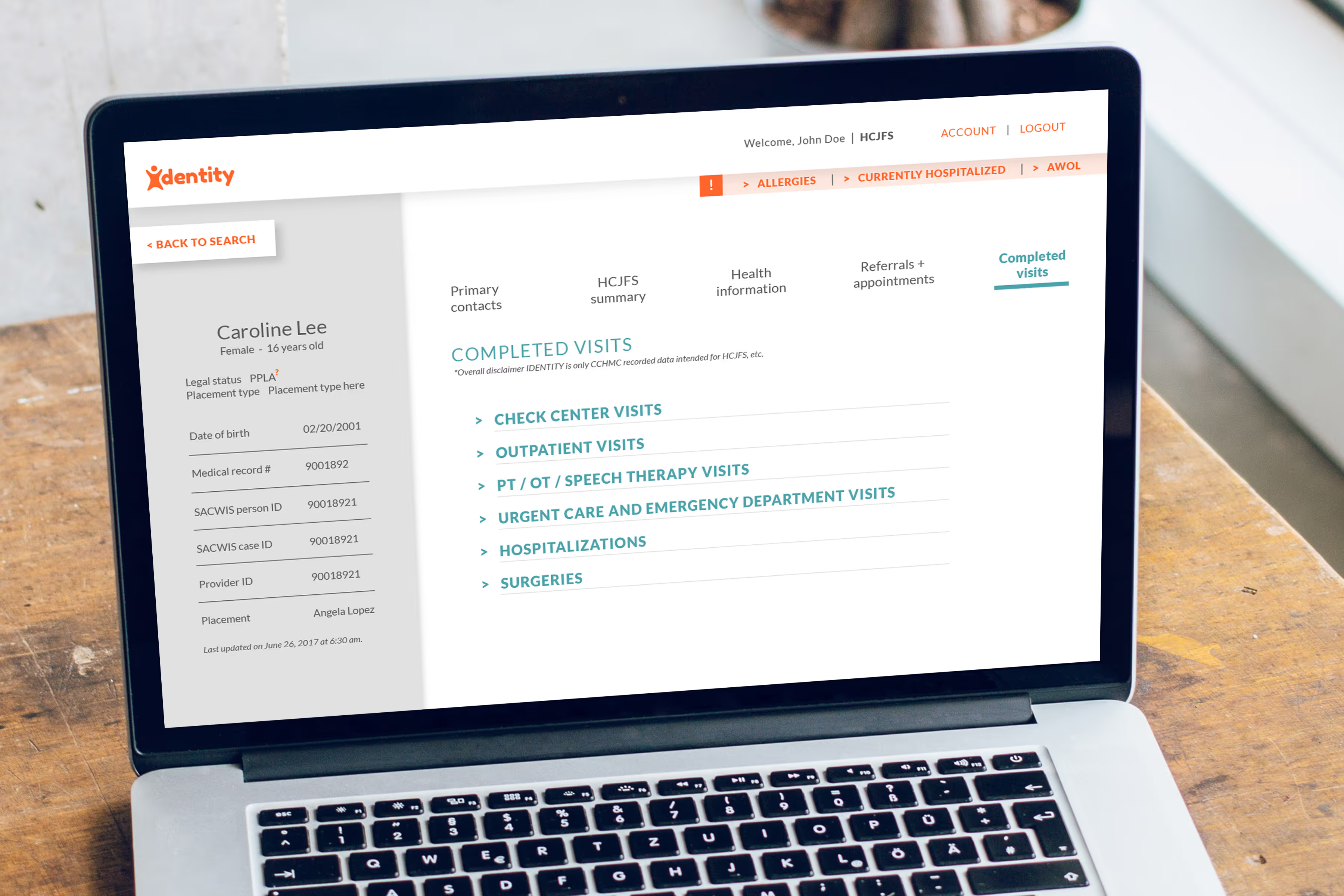
Close up shot of a Macbook pro laptop screen showcasing the design of the IDENTITY healthcare portal for foster youth.

The IMPACT

Clarity builds confidence, and continuity.

These projects improved how foster youth and caregivers access, understand, and act on health information. By designing tools people actually want to use, the work reduced friction at critical moments and supported better health decision-making across the system.