
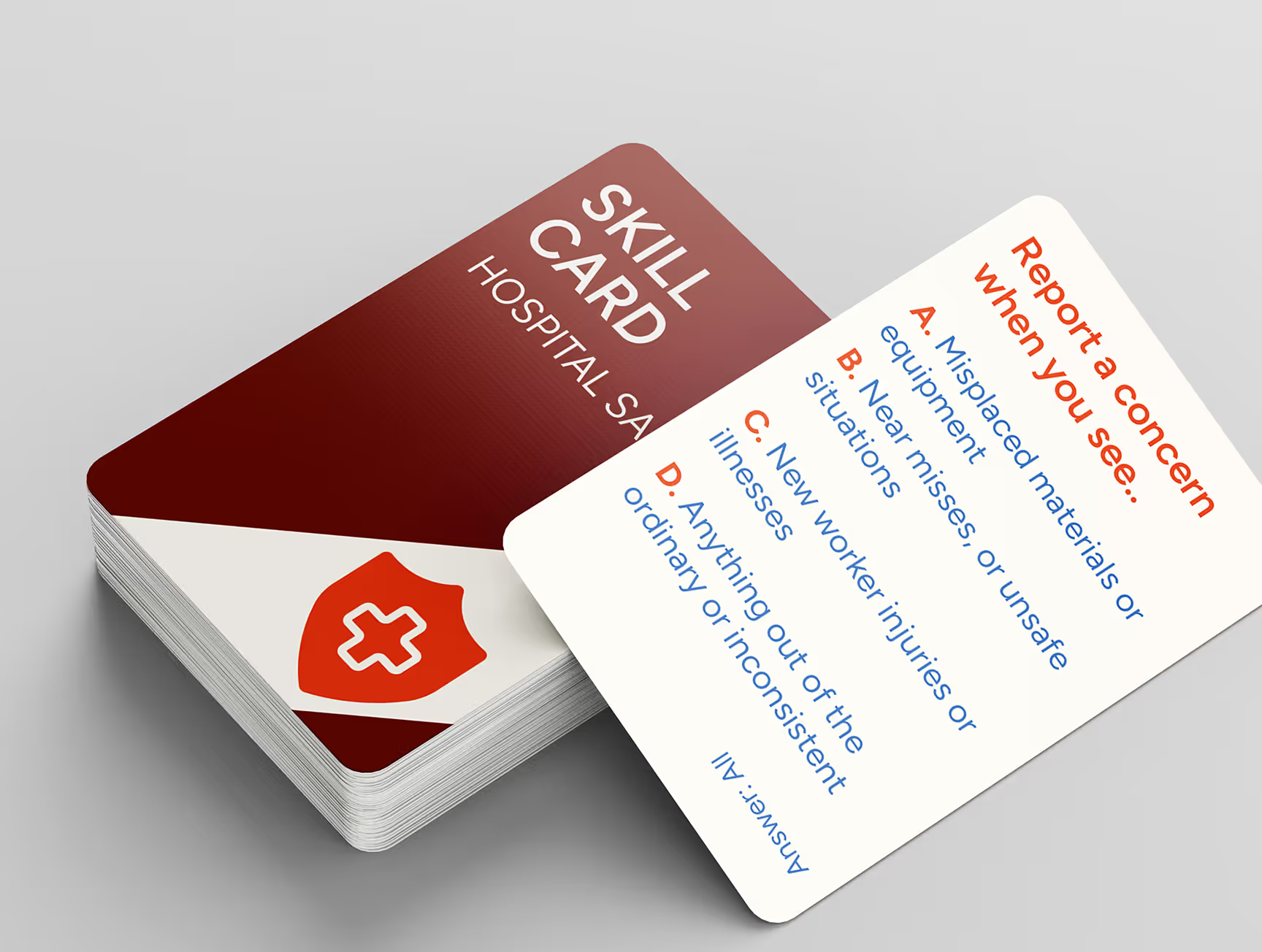
Product photo of deck of cards to learn and test emergency preparedness skills for hospital employees. One card is turned over to show the question while the rest of the cards are stacked face-down.Product photo of deck of cards to learn and test emergency preparedness skills for hospital employees. One card is turned over to show the question while the rest of the cards are stacked face-down.
|
Emergency Preparedness for All Learners

Cultivating confidence in emergency situations.

Hospital employees are required to be trained in emergency preparedness courses covering a wide variety of topics. At Cincinnati Children's Hospital Medical Center, the Project SEARCH program employing individuals with intellectual and developmental disabilities (IDD) found that many class materials were not designed with neurodivergent learners in mind. The Live Well team, which consisted of design and biomedical engineering students, was challenged by CCHMC to redesign the emergency preparedness curriculum for all learners, with special attention to engagement and information retention.

The challenge

Individuals with IDD are entering the workforce in growing numbers, yet they are often asked to complete training that was not created with their learning needs in mind.

The insight

A more inclusive and dynamic learning environment, and a safer, more prepared team of employees.

The deliverable

Developed a suite of new classroom materials for a range of learning styles, including solo and group activities to encourage communication at each individual's comfort level.

Expertise.

  • Interviewing and focus groups
  • Systems mapping
  • Curriculum design
  • Sketching and illustrations

“We are now one step closer to that inclusivity we are seeking, not only at [Cincinnati Children’s] but everywhere. It’s changing lives.”
Dennis Cleary, OTD, OTR/L, Senior Researcher at Project SEARCH, CCHMC

problem

Students weren't engaging fully with classroom materials.

Emergency preparedness training covers a lot of topics: fire safety, active shooter protocol, chemical handling, and more. The current educational materials contained accurate and important information, but were not designed with neurodivergent learners in mind. As a result, class sessions were overwhelming and confusing, and instructors didn't have the tools or time to reinforce missed concepts.

Approach

Learning from the students.

The Live Well team interviewed Project SEARCH students to better understand their experiences in the classroom. They shared their likes and dislikes about the training class structure and were asked to explain their ideal learning style for serious topics. This prepared the team to design for both neurodivergent and neurotypical learners.

APPROAch

Building a more accessible curriculum.

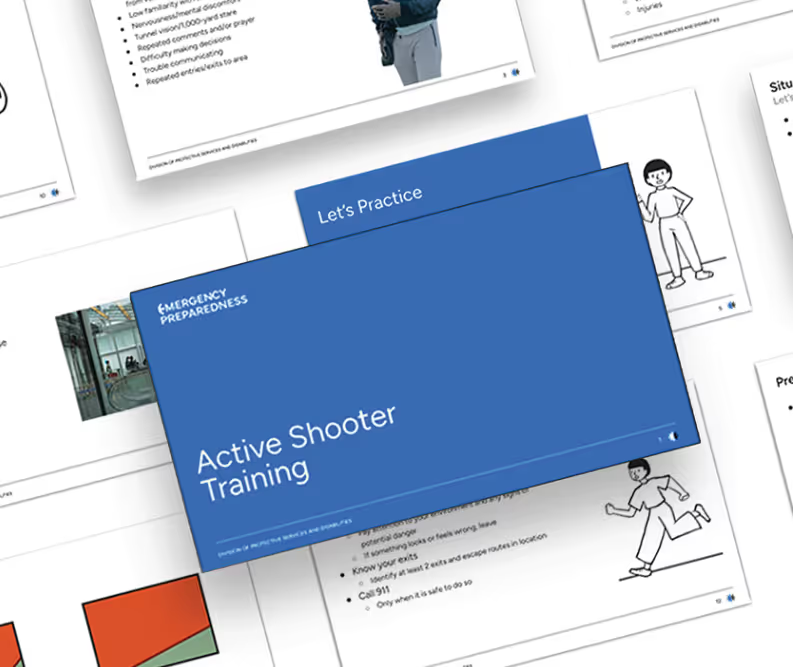
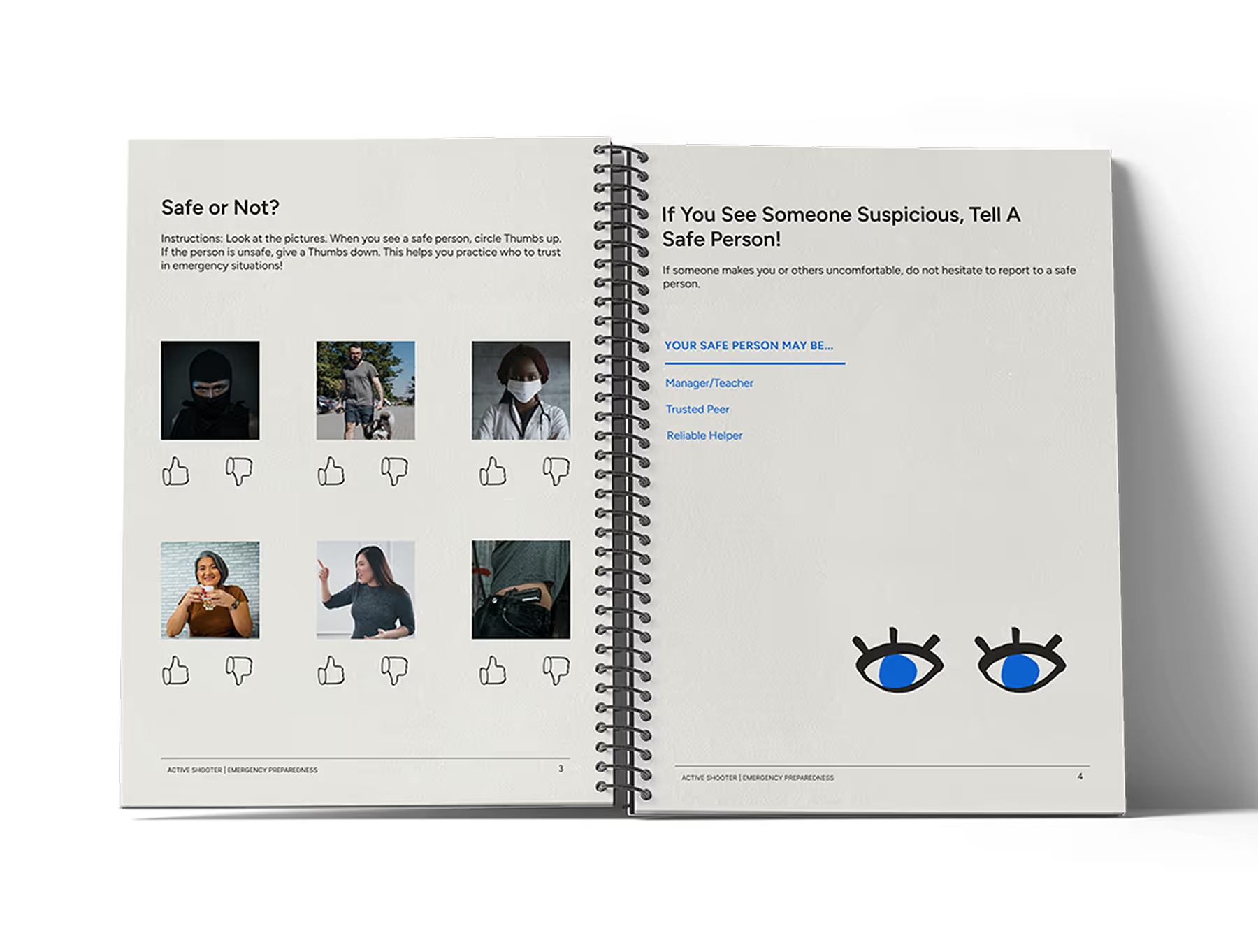
The teams collaborated closely in order to maintain a consistent visual language across all materials. Five presentation decks, four student workbooks, and a deck of conversational playing cards are brought to life with active illustrations and friendly, plain language. Live Well recorded document editing instructions in a comprehensive implementation plan for Project SEARCH instructors, offering suggestions on recommended communication styles for working with individuals with intellectual or developmental disabilities.

OUTCOME

Setting the standard for scalable educational materials.

These materials emphasize visual learning through illustrations to enhance comprehension, minimizing distractions from written or verbal information. This curriculum allows instructors to save time in the teaching process and is available to the public at no cost.

By providing clear, accessible, and engaging training materials, all learners grow their safety and independence in handling emergencies. The project received 3rd place in the 2025 DMI Design Value Awards, and its impact will be further measured by students' level of comprehension during a research study.